I have learned to treat January travel across Oceania as a base-building problem, not a checklist. Pick one neighbourhood with useful transport, give each ferry day room to breathe, and the city feels generous. Pick a hotel beside the wrong pier, and a simple island outing turns into three transfers and a late dinner.
Why neighbourhood pacing beats a packed island itinerary
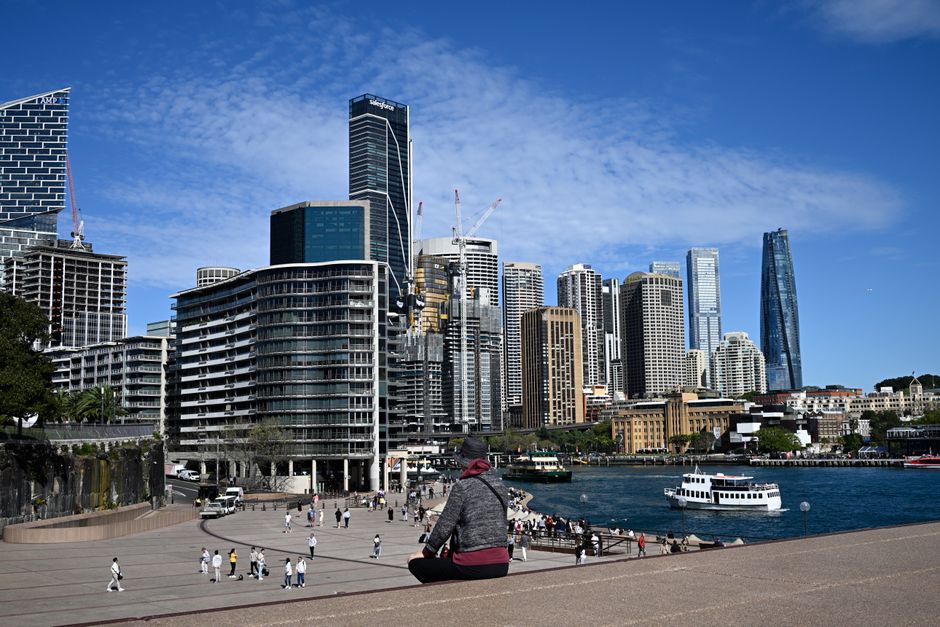
The basic problem is not distance. It is recovery time. A ferry departure creates a hard edge in the day: you must reach a wharf, find the correct gate, allow for boarding, and accept that the return sailing may not match your ideal lunch time. Add January heat, bright sun, wind on the water and holiday crowds, and the person who planned six stops often sees less than the person who planned two.
Build around a three-zone day
I use three zones: the sleeping neighbourhood, the ferry destination and one flexible stop near the return wharf. The sleeping neighbourhood gets the first hour and the last two hours. The ferry destination gets the main walking route. The flexible stop stays optional. It might be a gallery, a market or a beach, but it can disappear without breaking the day.
Protect the middle of the day
January light is strong and afternoon weather can change quickly, especially around exposed water. I aim to arrive at the island or harbour suburb before 10:30am, eat lunch before 1:30pm, and leave one hour before the last comfortable sailing. That buffer is not dead time. It gives you room for a slow coffee, a wrong turn or a crowded platform.
Keep the base compact
A good base has groceries, a bakery, dinner and a transit stop within roughly 800 metres. I would pay more for that location than for a larger room beside an airport-style road. The neighbourhood becomes part of the holiday: a morning swim, a familiar coffee counter and a short walk home after a ferry sunset. That repeat pattern is what makes a January trip feel settled instead of rushed.
How to plan a ferry day without losing the evening
My ferry-day method is simple. Put the longest crossing first, reserve the least flexible activity before lunch, and keep the return route boring. The return is when tired travellers make expensive mistakes, miss a connection or discover that the final sailing is not the same as the timetable seen during booking.
- Check the last practical sailing. Do not plan around the final departure. Use the sailing before it, then leave a later one as your safety net.
- Walk the wharf route the night before. Find the entrance, ticket machine, platform and nearby toilet. A five-minute reconnaissance saves twenty minutes when the pier is crowded.
- Book only the fixed part. A vineyard tour, wildlife cruise or timed museum entry belongs before lunch. Leave the afternoon open for weather and energy.
- Pack for the crossing. Carry a light layer, water, sun protection and a small snack. Wind on a ferry can make a warm January forecast feel cold.
- Set a return alarm. I set it 45 minutes before the planned sailing, not when the boat is due. That leaves time for the walk back, a queue and a wrong platform.
- End near the base. Avoid booking a famous restaurant across town after an island day. The best dinner is usually the one within walking distance of the hotel.
This system leaves the evening intact. You get the ferry experience without turning dinner into a race.
My clear pick: Sydney for harbour variety, Auckland for island depth
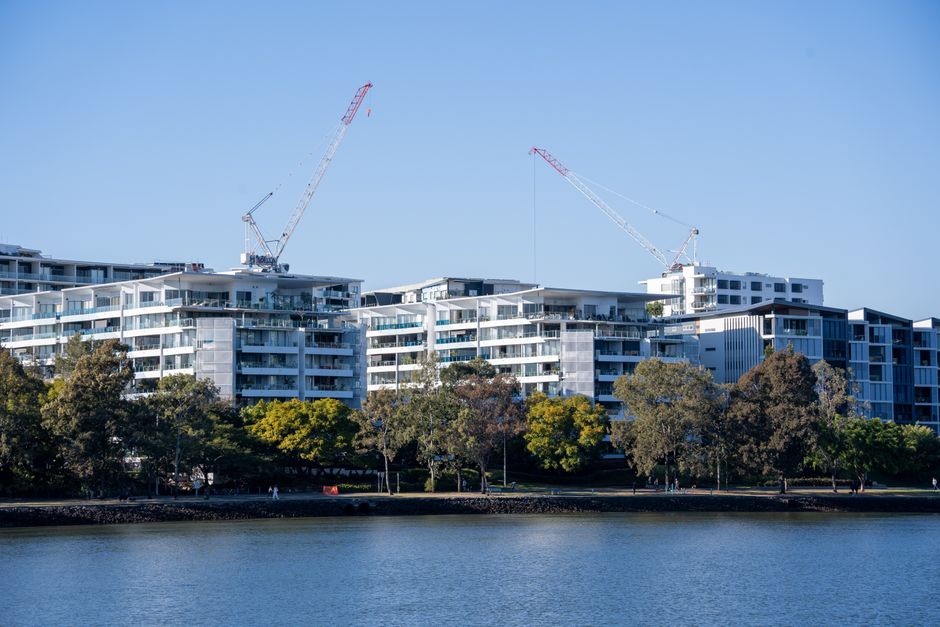
For a first January trip, I would base myself in Sydney and use Auckland only when Waiheke is a central reason for going. Sydney gives you more kinds of ferry day: a short crossing to Balmain, a beach day in Manly, a harbour loop when the weather is uncertain, and several easy alternatives when one route is disrupted.
When Sydney is the better base
Choose Sydney when you want a trip with backups. If rain spoils Manly, you can use a museum and a shorter harbour route. If a beach day runs long, you still have dinner choices within a few blocks. The network supports loose planning.
When Auckland or Hobart should win
Choose Auckland when Waiheke, Devonport or the Hauraki Gulf is the main experience, not a side trip. Choose Hobart when the ferry is a doorway to food producers, beaches and a quieter landscape. My specific choice for a couple wanting one major water day is Auckland. My choice for a family with a car is Hobart and Bruny Island.
Ferry questions that cause the most January trouble
Should I stay beside the ferry terminal?
Only if you have an early departure or mobility limits. For most travellers, a hotel within 10 to 15 minutes on foot is better than a room directly beside a busy terminal. In Sydney, Circular Quay is convenient but loud and costly. In Auckland, Britomart gives the best balance of ferry access, trains and food. In Hobart, Salamanca keeps evenings pleasant while remaining close to the waterfront.
Do I need to reserve every ferry?
No. Sydney’s public ferries work well for spontaneous urban days, and contactless payment receives the same adult fare treatment as an Opal card on Sydney Ferries. I would pay for the reserved option only when the day has a timed tour or a flight connection behind it.
What is the biggest ticket mistake?
Forgetting the difference between a public-transport fare and a visitor excursion. A harbour ferry may be part of a daily cap; a private island operator may charge a separate return fare. Tap on and tap off where required, keep the booking email available, and check whether a ticket includes a stopover. Fullers360 says an Auckland-to-Waiheke return does not include getting off at Devonport and continuing later on the same ticket.
The best ferry day is often the least ambitious one
Give one ferry day a single headline: Manly, Waiheke, Devonport or Bruny Island. Do not stack two islands, a timed tasting, a long coastal walk and a late harbour dinner onto the same date. A four-hour outing with a relaxed return beats a ten-hour achievement that leaves everyone sunburned and silent. My rule is simple: if missing one sailing ruins the plan, the plan has too many parts.
Use the quiet day as a deliberate reset
Place the reset day after the longest excursion. Sleep late, walk one neighbourhood, buy fruit and let the weather choose the afternoon. This is not wasted sightseeing. It gives the city time to become familiar, which is the reason to use an urban base in the first place.
Keep one weather-proof substitute
Before departure, mark one indoor option within 20 minutes of the hotel. A gallery, aquarium, cinema or covered market can replace a windy ferry day without forcing a cross-city commute. The best substitute is close enough that you can decide at breakfast.
How to leave room for the places you did not plan
The strongest Oceania January bases are not the ones with the longest attraction lists. They are the ones that make repetition feel rewarding: the same waterfront walk at a different tide, a bakery remembered by its smell, a ferry seen from the shore instead of boarded. I now plan three firm anchors per week and leave the rest to neighbourhood mood, weather and transport reality.
Build a five-night rhythm
For five nights, I use arrival day for the local streets, two days for urban wandering, one ferry day, and one open day. The open day may become another ferry trip, but it starts empty. That small gap protects the trip from January delays and gives spontaneous recommendations somewhere to land.
Measure the base by friction
Ask practical questions before booking: Can I reach breakfast without transport? Is the wharf walk clear with luggage? Can I return after dark without crossing an empty industrial block? Is there a grocery shop nearby? These answers matter more than a rooftop view once the trip includes water, sun and several early starts.
Let the city carry the final day
Keep the last full day close to the departure airport or central station. Do not make it the day for a remote island. A final harbour walk, market breakfast and slow lunch leave a better memory than watching the clock from the wrong side of the water. As Oceania’s ferry networks add more services and fares keep changing, the durable travel skill will be choosing a base that makes flexibility easy.