You have 48 hours, a small bag, and no interest in spending half the trip inside a taxi. That is the real problem with planning a short African city break: the map looks manageable, then traffic, heat, queues and long transfers eat the day. My clear pick for a compact February stay is Marrakech. Build the trip around the Jamaâ el-Fna Museum of Intangible Heritage, the Jemaa el-Fna market and the Menara Gardens viewpoint. Pick Cape Town instead if the view matters more than walking between stops.
The winning rule is simple: choose one city, one cultural anchor, one market and one elevated or open-air view. Do not try to collect five landmarks. A short stay needs rhythm, not a checklist.
Why Marrakech wins the 48-hour February version
Marrakech works because the three experiences sit close enough to form one coherent day. The medina gives you dense streets, food, craft and history without requiring a rental car. February is also comfortable for walking: climate averages put daytime highs near 20°C and nights close to 10°C, with some chance of rain, so you can explore at midday without the punishment of summer heat. Pack a warm layer for the first hour after sunrise and shoes that can handle uneven paving.
The museum that fits a short stay
Start with the Jamaâ el-Fna Museum of Intangible Heritage, located on the square itself. It explains the storytellers, musicians, performers and oral traditions that make the plaza more than a shopping stop. The official National Museums Foundation listing gives opening hours of Tuesday to Sunday, 10:00 to 18:00, with admission for foreign visitors listed at 40 MAD. That makes it a better February museum choice than planning around Dar Si Said, whose reopening status has been less reliable after earthquake repairs. Check the National Museums Foundation listing before leaving your hotel because opening days and ticket rules can change.
The market and viewpoint complete the day
Walk through Jemaa el-Fna after the museum, then return around sunset when the food stalls and performers become more active. The square itself has no entrance fee, but prices for food, photographs and informal services are not fixed; agree on a price before accepting anything. For the viewpoint, choose the Menara Gardens in the late afternoon when the basin can reflect the pavilion and, on a clear day, the Atlas Mountains. Winter closing times matter, so do not arrive at the last minute. The attraction is the contrast: a quiet garden, a broad horizon and then the noise of the medina at night.
Which African city gives the best three-stop short stay?

My verdict is Marrakech for a two-night trip and Cape Town for a three-night trip. Marrakech wins on compactness and cultural texture. Cape Town wins on a stronger viewpoint and warmer February evenings, but its stops are spread across a larger urban area. The table shows the trade-off.
| City | Museum | Market | Viewpoint | February reality |
|---|---|---|---|---|
| Marrakech, Morocco | Jamaâ el-Fna Museum of Intangible Heritage; foreign admission listed at 40 MAD | Jemaa el-Fna; public square with free access | Menara Gardens; winter afternoon light and Atlas views when clear | About 20°C daytime highs and cool nights; compact walking plan |
| Cape Town, South Africa | Zeitz MOCAA; adult admission listed at R350 from September 2026 | Oranjezicht City Farm Market at the V&A Waterfront; Saturday 08:00–14:30 and Sunday 08:30–14:30 | Signal Hill; city, harbour and Atlantic views | Roughly 20–26°C by day and 13–18°C at night; dry but often windy |
Cape Town is not a weaker destination. It is simply a different short-stay machine. Zeitz MOCAA is a serious museum with a useful daily schedule, and the Oranjezicht City Farm Market moved to a new V&A Waterfront location in late 2026. Pair those with Signal Hill, which SANParks describes as a viewpoint over the city and harbour. The catch is logistics: the market, museum and hill do not form one easy walking loop, so traffic can decide how much you see.
How to execute the Marrakech plan without wasting daylight
Use this order. It protects the best light, keeps the indoor stop in the middle of the day and leaves room for a slow meal rather than a frantic dash.
- Morning: Arrive early at the medina and walk to the museum before the square becomes busy. Give the museum 60 to 90 minutes. You do not need a guide for every room; read the context, then look at how the building frames the collection.
- Late morning: Walk through the surrounding souks toward Jemaa el-Fna. Buy nothing on the first pass. Note prices, compare two or three stalls and keep your phone and wallet secure in crowded lanes.
- Lunch and reset: Take a proper break indoors for 90 minutes. February sun feels mild, but long walking days still drain you, and a short stay collapses when the afternoon starts with exhaustion.
- Mid-afternoon: Take a taxi to Menara Gardens or arrange a pickup through your accommodation. Aim to arrive 60 to 90 minutes before the light softens. If clouds hide the Atlas, the water basin and olive groves still give you the open space missing from the medina.
- Evening: Return to Jemaa el-Fna after the food stalls are active. Choose a busy stall with visible turnover, ask the price before ordering and keep the meal simple. The point is to watch the square change, not to sample every dish.
Keep day two flexible. Use it for Bahia Palace, a second neighbourhood walk or a slower café morning. Do not add a desert excursion to a 48-hour stay unless you accept that the museum, market and viewpoint plan will become a rushed preview.
The biggest February mistake is treating Africa as one climate
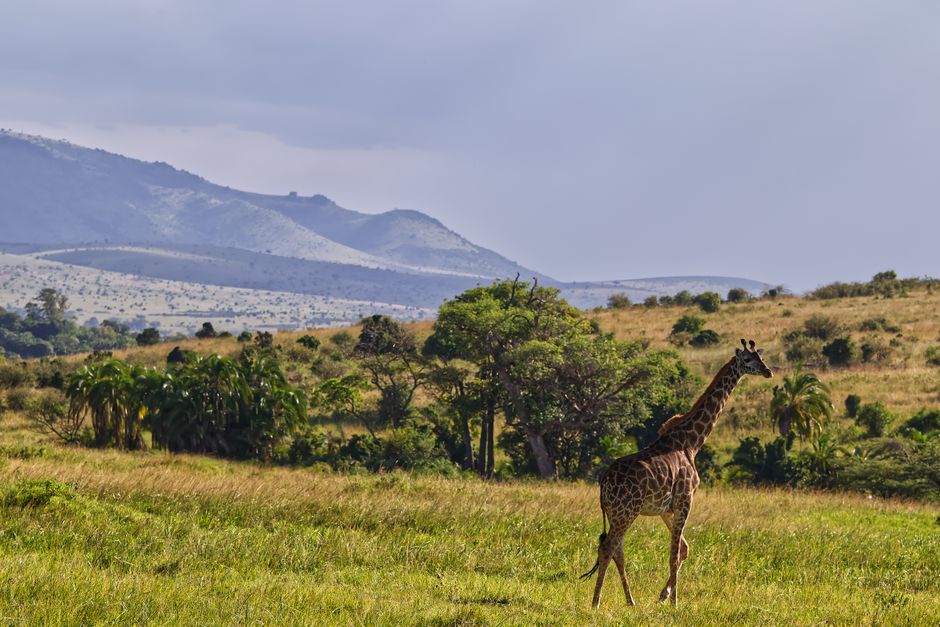
My strongest advice is to stop packing for an imaginary single Africa and pack for the city you actually chose: Marrakech needs layers for a cool 10°C night and possible rain, Cape Town needs sun protection plus a wind layer, and Nairobi needs a different plan again because its elevation changes the feel of warm afternoons and cool mornings; that difference affects walking distance, opening-hour choices and how late you can comfortably stay outdoors. February can reward outdoor travel, but it does not guarantee clear mountain views, calm wind or perfect market weather, so build one indoor substitute into the day and confirm holiday or event closures before paying for non-refundable transport. The honest reason Marrakech suits a short stay is not that it contains more sights than Cape Town; it is that the museum, market and garden create a tighter sequence with fewer decisions, which leaves you time to notice details instead of measuring the day in transfer minutes.
When Marrakech is the wrong choice for a short stay

Should you choose Cape Town instead?
Choose Cape Town if the main emotional payoff is a large, dramatic view. Signal Hill gives you the city, harbour and Atlantic in one frame, while February brings long summer days and generally dry conditions. The trade-off is distance. Zeitz MOCAA sits at the V&A Waterfront, Oranjezicht City Farm Market now trades nearby at Granger Bay, and Signal Hill still needs a separate ride. For three nights, that spread is manageable. For two nights, it can turn a relaxed plan into a transport schedule.
When should you avoid the market-first plan?
Avoid a market-led itinerary if you arrive on a weekday and the market you want only operates at weekends. Cape Town makes this especially important because Oranjezicht has specific Saturday and Sunday hours, while Marrakech’s Jemaa el-Fna functions throughout the week but changes character between morning and evening. Check the calendar before booking flights, not after. A closed market is not a small detail when it is one of your three anchors.
What is the final choice?
For the best February Africa short stay with limited time, book Marrakech and keep the route inside one city. Visit the museum for context, the market for living culture and the viewpoint for space and scale. Choose Cape Town when you have three nights, want contemporary African art and care more about coastal scenery than a compact medina walk. That simple framework will keep working as African cities add new museums, markets and public viewpoints: the future of short stays belongs to plans that connect three meaningful stops instead of chasing every famous address.