February is not a universal shoulder season in Asia. Thailand, Cambodia, and much of southern Vietnam sit inside the dry-season sweet spot, so the famous temples can be busy before the first large tour groups even arrive. The useful move is not chasing an imaginary empty month. It is planning the day around heat, port calls, and the order in which visitors move.
Why arriving before the cruise call matters
The phrase cruise crowds makes people picture an entire city filling at once. That is rarely how it feels on the ground. A Royal Caribbean, Princess Cruises, or Costa Cruises call can send several thousand passengers toward the same landmark, but the pressure usually arrives in a narrow block after breakfast and fades when ships return to port. Beat that block and the same temple can feel calm; miss it and even a large courtyard becomes a queue.
Bangkok shows the pattern clearly. Ships dock at Laem Chabang, roughly 90 kilometres southeast of central Bangkok, and shore excursions need time for the road journey. Wat Pho or the Grand Palace may feel quiet at 8:00 a.m., then become packed after the port buses reach the old city. Start with the temple, eat lunch away from the riverfront, and leave the most popular riverside viewpoint for late afternoon.
The same logic applies in Singapore, Ho Chi Minh City, and Bali, although the temples differ. Track port-call calendars, hotel check-in waves, and domestic holiday weekends. Do not trust a month label alone. A supposedly quiet Tuesday can be the busiest day of your stay if three ships arrive together.
Verdict: book the first usable entry slot, sleep near the temple district for at least one night, and treat the cruise timetable as a traffic forecast. That single change improves the trip more than paying for a luxury hotel across town.
How February weather should shape the route
Start with the cool hours, then protect the middle of the day
February rewards travelers who move early. In northern Thailand, mornings can feel surprisingly cool while afternoons turn hot and hazy. Chiang Mai and Chiang Rai may offer comfortable temple walks before 10:00 a.m., but smoke from seasonal agricultural burning can become a serious problem later in the month. A route built around morning temples and indoor afternoons is smarter than pretending the weather stays perfect all day.
Cambodia is drier but hotter. Angkor Wat, Bayon, and Ta Prohm involve exposed paths, stone surfaces, and very little shade. Put the longest walking day first, carry water, and schedule a proper hotel break during the hottest hours. The mistake is packing every famous site into one sunrise-to-sunset circuit. You will see more names on a checklist and remember less of the temples.
Separate climates that travelers wrongly combine
Vietnam needs a regional plan. Hanoi and Ha Long Bay can be cool, grey, and damp in February, while Ho Chi Minh City is usually warmer and drier. Hue and Hoi An sit between those patterns and can still produce cloudy or wet days. Singapore stays hot and humid with frequent showers. Indonesia is warm year-round, but February remains part of the wet season around Borobudur, so clouds and sudden rain are normal rather than exceptional.
That difference changes what you pack and how much slack you need. A Bangkok-Angkor route can use light clothing, breathable shoes, and a small rain layer. A Hanoi-Hue-Angkor route needs a warmer top, flexible footwear, and one spare indoor day. Add at least one buffer day before a flight home or cruise departure. Temple trips fail most often at the connection point, not at the temple itself.
Use February daylight as a planning tool
Keep sunrise and sunset times in your phone, then build the day backward from the first site. Aim for the main landmark before the first large coach wave, a shaded or indoor stop around midday, and a second outdoor site after 3:00 p.m. This rhythm works in Bangkok, Angkor, and Sri Lanka. It also leaves room for rain, delayed transfers, and the occasional temple closure without wrecking the whole plan.
The clear choice for weather-sensitive travelers is southern Thailand, Cambodia, and southern Vietnam. Northern Vietnam and Java still work, but they need more tolerance for cloud, rain, or haze.
Five mistakes that ruin an Asia temple trip
Most bad temple itineraries fail for practical reasons, not because the destination is overrated. Avoid these five errors.
- Putting the biggest temple after breakfast. Angkor Wat, Wat Pho, and the Grand Palace should lead the day when possible. Morning light is better, stone surfaces are cooler, and organized groups have not fully arrived.
- Assuming February means empty. February is busy in many dry-season destinations. Hotels, domestic flights, and popular guides can sell out around Lunar New Year, school holidays, and long weekends. Check the calendar before choosing exact dates.
- Booking a distant hotel to save a small amount. A cheap room far from the old city may cost hours in traffic. In Bangkok, the difference between staying near the river or near a major train line and staying beside the airport can decide whether a morning temple visit is realistic.
- Ignoring dress rules until the gate. Wat Pho, the Grand Palace, Angkor, and many Sri Lankan temples expect shoulders and knees covered. Bring a light overshirt and trousers or a long skirt. Rental wraps are slower and often uncomfortable in the heat.
- Trying to copy a cruise excursion. Cruise itineraries are built around guaranteed return times, not depth. A port-day visitor may see Wat Arun, a market, and a restaurant in one rush. Independent travelers should choose one temple cluster, spend longer there, and keep the rest of the day loose.
There is also one mistake that looks sensible but is not: adding too many countries. Bangkok, Angkor, and Ho Chi Minh City can fit into two weeks, but each border crossing takes time and energy. For seven to ten days, choose one main temple region and one city extension. The trip will feel richer, not smaller.
My clear pick for a first February temple route
Choose Bangkok plus Angkor, and give Angkor the extra nights. This is the strongest first-timer route because it combines easy international access, major temple variety, and a clear strategy for avoiding the worst crowd periods. Bangkok supplies urban energy, river temples, excellent food, and a short introduction to Thai religious architecture. Siem Reap supplies the deeper archaeological experience.
A practical eight-night split
Use three nights in Bangkok, four nights in Siem Reap, and one final night near your departure airport or transport hub. Visit Wat Pho and the Grand Palace on the first morning. Put Wat Arun later in the day when the light improves across the river. In Siem Reap, spend day one on Angkor Wat and Bayon, day two on Ta Prohm and the outer temples, and day three on Banteay Srei or a slower return to the sites you rushed.
When to choose a different route
Choose Hue and Hoi An instead if you care as much about food, imperial history, and small-city atmosphere as temples. Choose Sri Lanka if you want temples mixed with wildlife, rail travel, and hill-country scenery. Choose Singapore plus Bangkok if you want the easiest logistics and the strongest transport infrastructure. Skip Borobudur as the centerpiece if a wet morning would ruin the trip; add it as a flexible extension instead.
Do not force Bali into this route simply because it is famous. February rain, traffic, and long transfers can turn a temple-focused plan into a series of car rides. Angkor gives you more history per travel hour. That is why it wins.
Questions to settle before booking
Is February really a shoulder month for Asia temples?
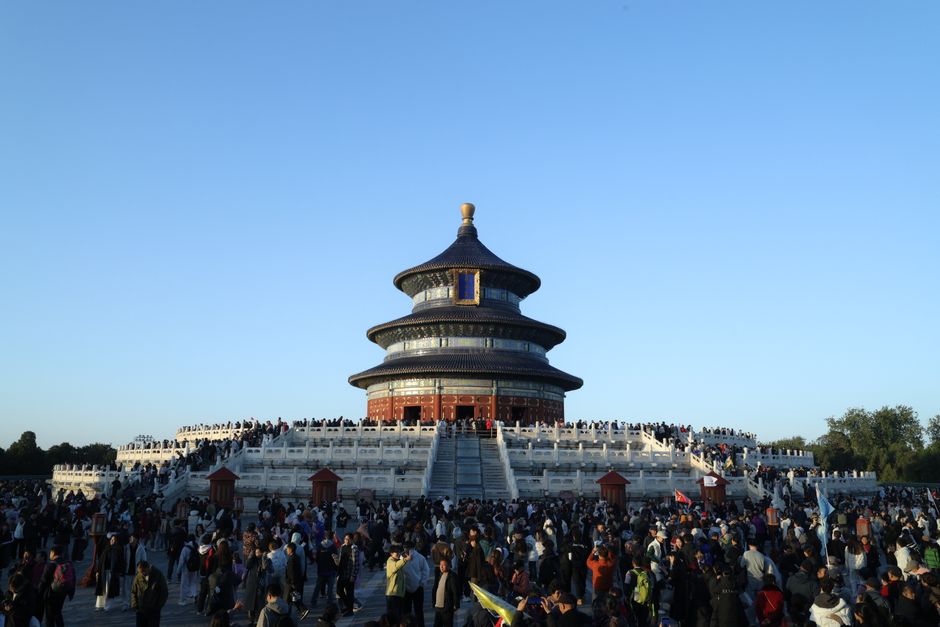
Not across the region. Cambodia, Thailand, and southern Vietnam are often in their most comfortable travel period, which means demand can be high. The shoulder advantage appears in specific time slots, such as early mornings, late afternoons, and the days between major holiday peaks. Plan for good conditions and real crowds.
How many temple days are enough?
Give Angkor at least two full days. Give Bangkok one focused morning or two relaxed days if you want museums and river neighborhoods as well. A single day can cover Hue’s Imperial City and the main royal tombs only if transfers are tightly planned. More time matters because the best sites are not always the first ones on a tour map.
Should travelers book a cruise to see Asian temples?
Book a cruise if you value unpacking once, river scenery, and a fixed route. Do not book one because you expect effortless temple access. Port transfers, shore-excursion schedules, and return-to-ship deadlines limit what you can see. A land itinerary is better for Angkor, Bangkok, Hue, and Sri Lanka because it lets you arrive before the crowd wave and stay after it leaves.
What is the safest planning rule?
Keep the first temple visit early, the hottest hours flexible, and the final transport day boring. Leave one buffer day before any cruise, long-haul flight, or nonrefundable connection. Asia’s February temple routes are becoming easier to reach, but easier access also means more people arriving at the same famous gate. The travelers who plan around time, not just destinations, will keep finding the quietest version of the experience.