Cape Town rewards careful planning because the city’s mountain, coastline, and spread-out attractions create very different travel days. For a first visit in 2026, choose your base by location, use simple safety habits, and leave full days for the Cape Peninsula and Winelands.
Where should a first-time visitor stay?
For most first-time visitors, the City Bowl or Green Point is the strongest base. These areas keep Table Mountain, museums, the V&A Waterfront, restaurants, and major transport links within easy reach. A beach district can be more scenic, but it adds travel time to cultural sights and early departures.
City Bowl and Gardens
The City Bowl suits travelers who want the shortest route to the Company’s Garden, Bo-Kaap, District Six, the Castle of Good Hope, and Table Mountain. Gardens and Tamboerskloof feel residential, while the central business district is busier and needs more care after dark. Pick accommodation with controlled access, clear check-in instructions, and a staffed reception.
Green Point, Sea Point, and Camps Bay
Green Point is the best compromise for a first trip: it sits between the city center and Atlantic coast, with the promenade and V&A Waterfront nearby. Sea Point works well for walkers and longer stays. Camps Bay wins on beach views and sunset restaurants, but it is less convenient for museums, Robben Island departures, and some early tours.
Southern Suburbs and the Peninsula
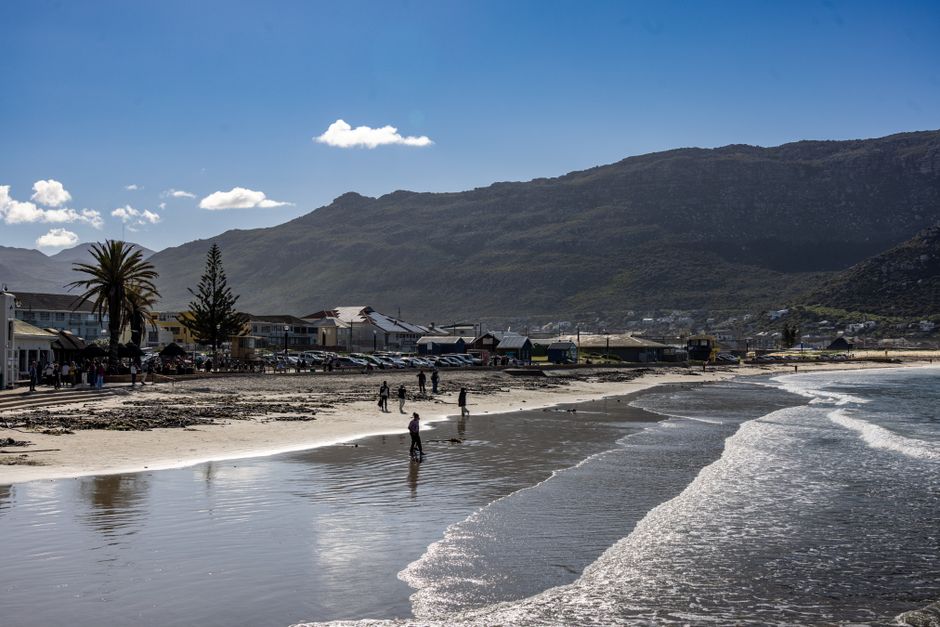
Newlands, Claremont, Kalk Bay, and Simon’s Town make sense for visitors focused on Kirstenbosch, beaches, penguins, or a slower pace. They are poor choices for a short city break if you plan to visit the Waterfront every day.
| Area | Best for | Main tradeoff |
|---|---|---|
| City Bowl | Museums, history, Table Mountain | Use extra care walking late |
| Green Point | First-time balance and Waterfront access | Higher rates near the stadium and coast |
| Sea Point | Promenade walks and restaurants | Longer trips to southern attractions |
| Simon’s Town | Boulders, False Bay, Cape Peninsula | Too far from central Cape Town for some itineraries |
What safety habits matter most in Cape Town?
Cape Town is visitable, but visitors should treat safety as a daily operating rule rather than a one-time decision. The U.S. State Department lists South Africa at Level 2, citing crime, unrest, terrorism, and kidnapping risks. The UK government also advises travelers to research local risks and carry suitable travel insurance. Those warnings do not describe every street, but they do rule out careless behavior.
After-dark movement
Do not wander through quiet streets after dinner just because a destination looks close on a map. Use a reputable ride-hailing service from a visible pickup point, ask the venue to confirm the vehicle, and keep your phone away once inside. The same rule applies to nightlife around Long Street and the central city: stay with your group and move directly between known locations.
Cars, phones, and valuables
Keep bags out of sight in a locked trunk, especially at traffic lights and on unfamiliar roads. Do not leave a phone on a café table beside an open pavement. Carry one payment card and limited cash, while keeping backup documents stored separately. Never stop for unsolicited roadside help or hand a phone to a stranger who offers directions.
Hikes and emergencies
Hike Table Mountain, Lion’s Head, and other trails in daylight with weather-appropriate clothing, water, and a charged phone. Do not split from your group to take a faster-looking path. Save the City of Cape Town emergency number, 021 480 7700, and share your route with your accommodation. The clearest safety verdict is simple: plan outdoor activity around daylight, and plan city movement around visibility and reliable transport.
Which Cape Town day trips deserve a full day?

The Cape Peninsula deserves a full day because the route combines driving, viewpoints, wildlife, and park gates. Compressing it into a few hours usually means skipping the stops that make the trip worthwhile. The Winelands deserve a separate day if tasting rooms and scenery matter more to you than beaches and cliffs.
| Day trip | Allow | Useful 2026 detail | Best choice for |
|---|---|---|---|
| Cape Peninsula | 8–10 hours | Cape Point international adult fee: R515 through October 31, 2026 | Cliffs, coastal roads, Boulders, photography |
| Boulders and False Bay | 5–7 hours | Boulders international adult fee: R245 through October 31, 2026 | Penguins, beaches, a slower coastal day |
| Stellenbosch and Franschhoek | 8–10 hours | Plan a designated driver or organized transfer | Wine estates, food, mountain scenery |
| Robben Island | Half day | Allow extra time for ferry and weather disruption | History and a scheduled museum visit |
Choose the Peninsula for a first visit
For a single day trip, choose the Peninsula. Start early, visit Boulders before the largest crowds, continue through the park to Cape Point, and return along a coastal route if conditions allow. SANParks says Cape Point and Boulders are cash-free, so carry a working debit or credit card. Entry is paid per vehicle at Cape Point, not as separate individual payments at the gate.
Choose the Winelands when food is the priority
Choose Stellenbosch or Franschhoek instead when your ideal day involves tastings, lunch, and architecture. Do not drive after drinking, and do not assume every estate accepts walk-ins during busy periods. Book one or two stops and leave room for traffic; a rushed tasting circuit is a poor substitute for a relaxed day.
What is the cleanest five-day first-trip plan?
Keep the first five-day plan geographically tight. Put weather-sensitive mountain activities early, schedule the Peninsula as one complete day, and avoid crossing the city several times for isolated attractions. This plan gives a first-time visitor a clear view of the city without turning every day into a transfer day.
A practical five-day sequence
| Day | Plan | Why it works |
|---|---|---|
| 1 | City Bowl, Bo-Kaap, Company’s Garden, District Six | Low-pressure orientation close to the center |
| 2 | Table Mountain, Gardens, sunset in Green Point | Uses a good-weather window for the mountain |
| 3 | V&A Waterfront, Robben Island if scheduled, Sea Point | Groups harbor and Atlantic Seaboard sights |
| 4 | Boulders, Cape Point, Chapman’s Peak or an alternate coastal road | Protects a full day for the Peninsula |
| 5 | Kirstenbosch and Constantia, or Stellenbosch | Offers a flexible nature, food, or wine finish |
What should stay flexible?
Keep Table Mountain and boat departures flexible because wind, cloud, or ferry conditions can disrupt them. If the Cableway closes, swap in the Aquarium, museums, or a food-focused city day. If a road is closed, do not force a scenic detour on an unfamiliar route. A strong itinerary has one backup block each day, not a second full itinerary that creates more stress.
What do first-time visitors usually ask?

Is Cape Town walkable?
Some parts are. The Waterfront, Sea Point Promenade, Bo-Kaap, Company’s Garden, and nearby central streets can work well on foot during the day. Cape Town as a whole is not a walking city because the mountain and peninsula spread attractions across long distances. A map that looks close may still involve steep roads, exposed paths, or a route that becomes uncomfortable after dark.
When is the best time to visit?
December through March usually brings the clearest summer beach weather, but it also brings higher demand and stronger wind on some days. May through August is cooler and wetter, with shorter daylight, yet it can offer quieter museums and lower seasonal pressure. For a first trip, choose dates that match your priorities: summer for beaches and long evenings, winter for indoor culture and flexible city days.
How much cash should I carry?
Carry a small amount of South African rand for tips or minor purchases, but rely on a card for larger expenses. SANParks lists Cape Point and Boulders as cash-free, and the Table Mountain Cableway accepts online and ticket-office payments rather than requiring cash. Keep a backup payment method separate from your main wallet. Do not exchange all your money at the airport before comparing rates and fees.
Which planning mistakes cost time and money?
The most expensive Cape Town mistakes are usually logistical, not dramatic. Visitors book a scenic neighborhood far from their daily sights, underestimate driving time, or treat weather as a minor detail. Fix those errors before arrival and the trip becomes much easier.
Avoid these seven errors
- Booking Camps Bay when most of your plans are in the City Bowl or Northern Suburbs.
- Putting Table Mountain, Robben Island, Cape Point, and the Winelands into one two-day schedule.
- Buying a Cableway ticket before checking the operating status and forecast.
- Driving unfamiliar roads after wine tastings or returning from a late dinner.
- Walking alone on quiet streets or mountain trails after dark.
- Leaving luggage or phones visible inside a parked car.
- Assuming a social-media viewpoint is safe, open, or reachable without a car.
When should you skip a rental car?
Skip the rental car if you are staying centrally and plan only city attractions. Parking fees, navigation, traffic, and the risk of a break-in can outweigh the convenience. Book a car for one Peninsula day or arrange a trusted transfer instead. Conversely, rent for several road-based days when you want to combine Cape Point, Constantia, and the Winelands without waiting for separate rides.
What should you verify before departure?
Check passport rules, weather, attraction opening status, ferry or Cableway operating notices, park fees, and your accommodation’s arrival instructions. Save offline copies of reservations and emergency contacts. That short checklist prevents the most common first-trip failures: arriving at a closed attraction, carrying the wrong payment method, or discovering that your beautiful accommodation sits far from the places you actually want to see.