You booked the cruise. You stared at the deck plans. You picked the balcony room. Then you look at the itinerary and realize you have eight hours in Nassau and no idea what to do with them. This is where cruise vacations fall apart for smart people. They plan the ship, ignore the port, and end up paying $120 for a crowded bus tour to a beach they could have walked to.
I’m going to fix that. This guide is about the part of cruising nobody teaches you: how to get off the ship and not waste your money or your time.
The Real Cost of a Port Day (And Why Ship Excursions Are a Trap)
Most first-time cruisers think the ship excursion is the safe choice. It isn’t. It’s the expensive choice. Royal Caribbean’s “Discover Nassau” tour runs about $89 per person. A taxi to the same sites costs $30 total. For a family of four, that’s a $300 difference for the same photo stops.
The ship excursion solves one problem: the ship won’t leave without you. That’s valuable. But you’re paying a massive premium for that insurance. Here’s the math you need to do before you book anything.
Ship Excursion vs. DIY: The 15-Minute Math
- Ship excursion price: $80–$150 per person.
- Private tour (Viator or GetYourGuide): $40–$70 per person for the same activity.
- DIY with public transit or taxi: $10–$30 per person.
- Risk of missing the ship on a private tour: Under 1% if you book a tour that ends 2 hours before all-aboard time.
Private tour operators live and die by cruise ship schedules. They know the all-aboard time better than you do. A reputable operator on Viator with 4.5+ stars and 500+ reviews will not let you miss the ship. Their business model collapses if they do. The “safety” of the ship excursion is mostly marketing.
This doesn’t mean never book through the ship. It means book through the ship only when the logistics are genuinely risky: tender ports with long lines, activities far from the dock, or destinations with unreliable infrastructure. For everywhere else, you’re paying for fear.
Port Day Timing: The Schedule Nobody Reads
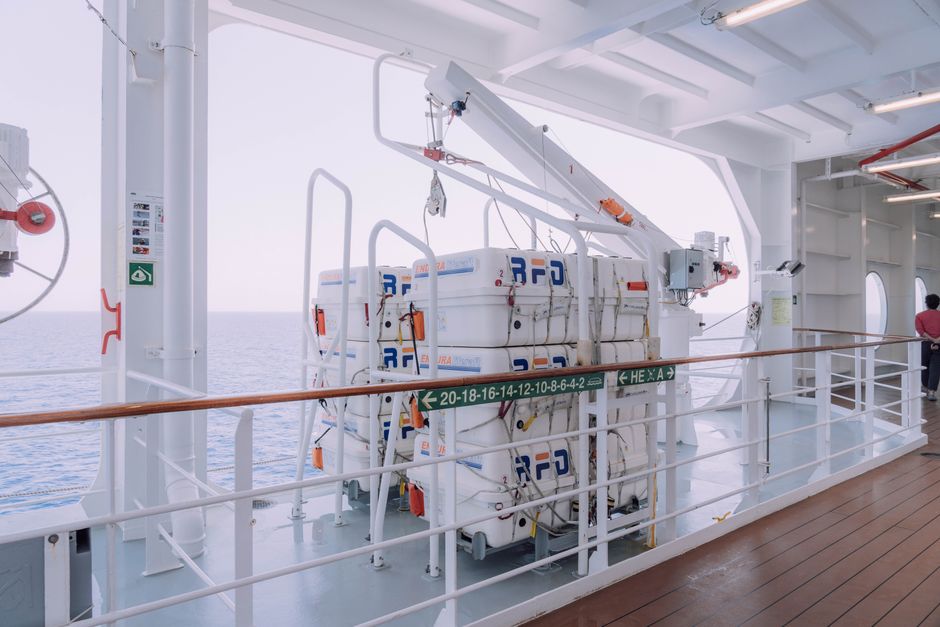
Here’s the failure mode. You see “8:00 AM – 5:00 PM” on the itinerary and think you have nine hours. You don’t. You have about six usable hours. Subtract 30 minutes for the ship to clear, 30 minutes to get off and find your transport, and you’re at 9:00 AM. Then you need to be back on board 30 minutes before departure. So your hard cutoff is 4:30 PM. You’re back to 7.5 hours. Add lunch and transit, and you’re down to six.
This is why cramming two destinations into one port day is a mistake. You’ll spend the whole day in a van looking at the back of someone’s head. Pick one thing. Do it well. Get back on the ship early and enjoy the empty pool.
The 2-Hour Buffer Rule
Whatever you do, your plan should have you back within walking distance of the ship two hours before all-aboard. Not at the port entrance. Not in the taxi line. Standing on the pier. This isn’t paranoia. This is the difference between a relaxing vacation and a very expensive sprint through a foreign city.
How to Pick a Shore Excursion Without Getting Burned
Here’s my process. I do this before every cruise. It takes 20 minutes per port and saves me hundreds of dollars.
- Open Google Maps. Look at the port. How far is the main town or beach? If it’s under 2 miles, you don’t need a tour. You need walking shoes.
- Search the port name plus “cruise port to city center.” Find out the taxi cost and the shuttle situation. Many ports have a free or $5 shuttle. Use it.
- Check Viator and GetYourGuide. Filter by “cruise-friendly” or “port pickup.” Read the 1-star and 2-star reviews first. Look for patterns: “returned late,” “disorganized,” “van had no AC.” If you see those, skip it.
- Compare with the ship’s price. If the ship charges $99 and a private operator charges $55 for the same activity with good reviews, book private.
- Book the ship excursion only if the activity is more than 45 minutes from the port or involves a tender. That’s the real risk zone.
Here’s a quick reference for common port scenarios:
| Port Type | Best Strategy | Typical Savings | When to Book Ship Excursion |
|---|---|---|---|
| Walkable city center (e.g., Old San Juan, Key West) | Walk or use local shuttle | $80–$120 per person | Never |
| Beach 15–30 min by taxi (e.g., Cozumel, Grand Cayman) | Taxi or pre-booked beach club day pass | $50–$90 per person | If you want an all-inclusive package with lunch and drinks |
| Major site 1+ hour away (e.g., Rome from Civitavecchia, Florence from Livorno) | Private small-group tour or train | $100–$200 per couple | Yes, if you’re nervous about train strikes or traffic; the ship’s bus is the safest bet here |
| Tender port with limited capacity (e.g., Grand Cayman, Santorini) | Book earliest tender or ship excursion to get priority | Minimal | Yes, especially if you want to be off the ship early |
The “No Excursion” Port Day
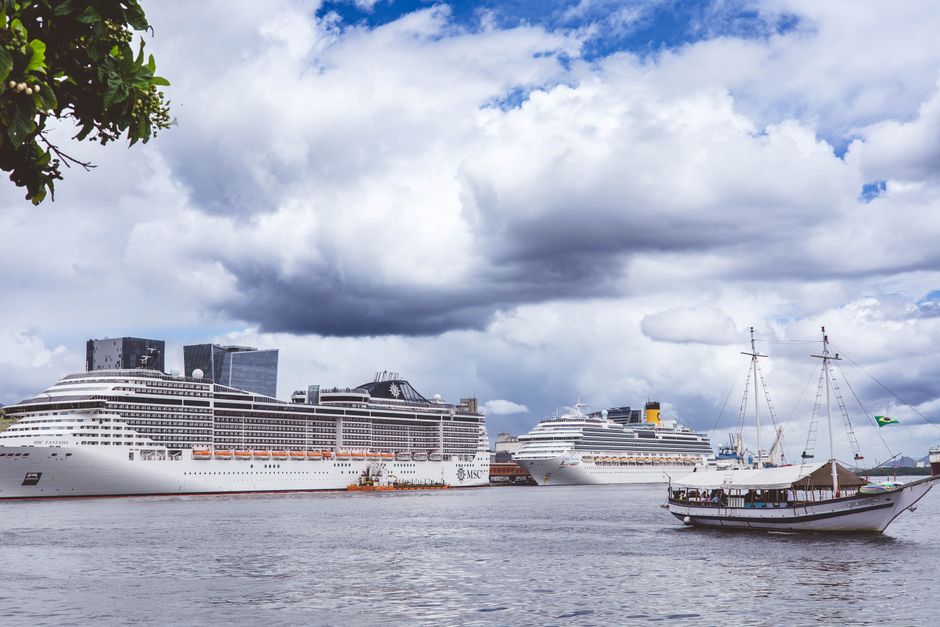
Sometimes the best port day is the one where you don’t buy anything. This is the contrarian move that most cruisers never consider. The ship is empty. The pool is yours. The buffet has no line. The spa runs port-day specials. You can get a 75-minute massage for the price of two mediocre cocktails on shore.
If the port is a generic Caribbean shopping village — you know the ones, with the same Diamonds International and Del Sol stores — staying on board is not a failure. It’s a strategic choice. You didn’t fly to Florida to look at a mall that happens to be in the Bahamas.
I’ve done this on a Nassau stop. While 4,000 people filed off the ship to buy tanzanite, I had the hot tub to myself and read a book. Best port day of the trip.
The Verdict: Your Port Day Plan in Four Sentences

Pick one activity per port. Book private unless the logistics are genuinely risky. Be back on the pier two hours before all-aboard. And if the port looks like a strip mall, stay on the ship and enjoy the quiet.
The cruise industry wants you to think the vacation is the ship. It’s not. The ship is the hotel. The vacation is the places you go. Plan those places with the same attention you gave to your dinner reservation, and you’ll stop feeling like a tourist being herded and start feeling like someone who actually knows how to travel.