Roughly 70% of first-time campers buy the wrong tent, a statistic that climbs higher in tropical climates like Johor Bahru. You’re often either sweating through the night in an oven or soaked from an unexpected downpour. This isn’t a leisurely stroll in the park; it’s camping. Get the right gear, or you’ll regret it.
Why Your Tent Is Probably Wrong (And What to Buy Instead)
Most people grab whatever tent is on sale, thinking a tent is just a tent. Wrong. For JB’s climate – hot, humid, prone to sudden heavy rain – your tent choice is critical. You need ventilation, robust waterproofing, and smart design. Anything less is a recipe for a miserable trip. A cheap, poorly ventilated tent turns into a sauna, then a mold colony. Don’t be that person.
Single-Wall vs. Double-Wall: The Humidity Factor
Forget single-wall tents for JB. Period. They might be lighter, but they are condensation magnets in high humidity. You’ll wake up to moisture dripping from the ceiling, feeling like you slept in a swamp. A double-wall tent is non-negotiable. The inner mesh tent provides crucial airflow, while the outer fly keeps the rain out. This two-layer system allows air to circulate between the layers, dramatically reducing internal condensation. Look for large mesh panels on the inner tent – the more, the better. Brands like Quechua (Decathlon) offer decent entry-level double-wall tents, like the Quechua Arpenaz 2 Fresh & Black (around MYR 300-400), which specifically addresses heat and light issues, making it suitable for early morning light and some heat reduction. For slightly more serious camping, the MSR Hubba Hubba NX 2 (around MYR 2,000-2,500) offers superior ventilation and weather protection, though at a premium price point.
Capacity Lies: How Many People Your Tent REALLY Fits
Tent manufacturers lie about capacity. A “2-person tent” means two people can physically lie shoulder-to-shoulder with zero space for gear, movement, or sanity. Always size up. For one person, get a 2-person tent. For two people, a 3-person tent is usually the minimum comfortable size, especially if you have backpacks, shoes, or simply value personal space. Consider the Coleman Sundome 2-person tent (around MYR 350-450) as a bare minimum for a single camper, but expect it to be snug. For two people, aim for their 3-person or 4-person models to truly have enough room for gear inside, away from the elements.
Waterproofing Ratings: Don’t Get Soaked
This is where many budget tents fail. Look for a minimum hydrostatic head (HH) rating of 2000mm for the flysheet and 3000mm for the groundsheet. Anything less, and you’re gambling with JB’s torrential downpours. A higher number means better water resistance. Also, check for taped seams. If seams aren’t taped, water will seep through the stitching. Don’t assume a new tent is sealed. Inspect it. Some manufacturers, like Coleman, clearly state their WeatherTec™ systems, which typically meet or exceed these minimums for their higher-end models. For budget options, double-check the specs; don’t just trust marketing copy.
Sleeping Systems: Don’t Freeze, Don’t Sweat
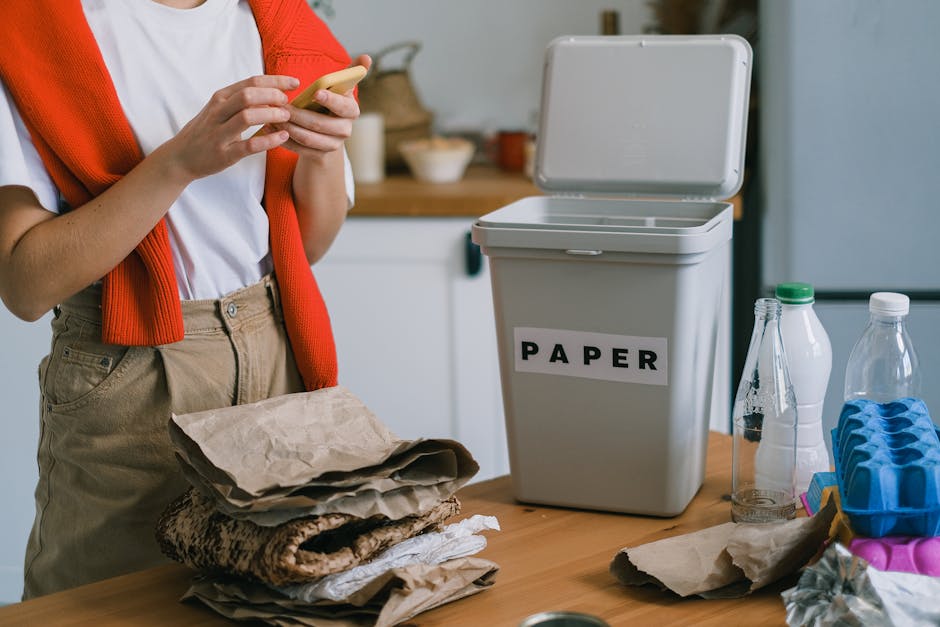
Camping in JB means warm nights, but that doesn’t mean you can skip the sleeping system. It’s about comfort, insulation from the ground, and managing humidity, not just warmth. You won’t need a -10°C sleeping bag, but a thin liner or quilt is essential. You’re aiming for comfort, not survival in the Arctic. Ground insulation is always critical, regardless of air temperature.
Sleeping Pads: R-Value for Tropical Nights
Even in warm weather, the ground sucks heat from your body. A sleeping pad provides insulation and comfort. For JB, you don’t need a high R-value (insulation rating) pad like you would for winter camping. An R-value of 1.0 to 2.0 is perfectly adequate to prevent conductive heat loss and provide cushioning. Brands like Quechua from Decathlon offer self-inflating or foam pads in this range for around MYR 50-150. If you prioritize comfort and packability, a lightweight inflatable pad like the Therm-a-Rest NeoAir XLite (around MYR 700-900) or its newer iterations (even with higher R-values, they are lightweight and pack small) provides excellent cushioning without overheating. Just don’t get a thick, high R-value winter pad; you’ll be too hot.
Bags vs. Quilts: Comfort in Humidity
A traditional mummy sleeping bag is usually overkill for JB. You’ll wake up drenched in sweat, feeling claustrophobic. Instead, consider a lightweight sleeping bag with a comfort rating of +15°C to +20°C (or higher). Better yet, a camping quilt is often the superior choice. Quilts offer freedom of movement and better ventilation, allowing you to vent heat easily. They essentially cover you like a blanket but strap to your sleeping pad, preventing drafts. Sea to Summit offers some excellent lightweight quilts designed for warmer climates, such as their Ember Quilts (around MYR 800-1,200), though these are premium. For a budget-friendly option, a simple fleece blanket or a thin cotton sleeping bag liner from Decathlon (around MYR 50-100) can be enough to cover you and keep mosquitoes off without making you overheat.
Pillows: Essential, Not Luxury
Don’t roll up your jacket and call it a pillow. Your neck will hate you. A small, inflatable camping pillow is a for sleep quality. They pack down to nothing and provide decent support. Brands like Sea to Summit (Aeros Pillow Premium) or Exped (AirPillow Lite) offer excellent options (around MYR 100-200) that weigh under 100g. It’s a minimal weight penalty for significantly better rest.
Common Camping Gear Mistakes to Avoid in JB
People make the same mistakes repeatedly, especially when camping in a tropical environment. These aren’t just minor inconveniences; they can ruin your trip or even make it unsafe. Pay attention, avoid these pitfalls, and you’ll have a much better time.
-
Ignoring Pack Weight: You’ll Regret It
Every gram adds up. If you’re hiking into your campsite, a heavy pack is your enemy. You’re not car camping at a resort. Prioritize multi-use items and shed anything unnecessary. Do you really need that cast-iron skillet? No, you don’t. Opt for lightweight aluminum or titanium cookware. Every piece of gear should justify its weight. Your back will thank you after the first kilometer. A common mistake is bringing full-size toiletries; decant them into smaller containers.
-
Overlooking Ventilation: Mildew Is Real
This is crucial for JB. High humidity and heat mean moisture gets trapped easily, leading to condensation, damp gear, and eventually, mildew. Ensure your tent has ample mesh, open vents, and, if possible, set it up where there’s a slight breeze. Don’t zip everything up tight unless it’s raining. Airflow is your best friend. Your clothes and sleeping bag will smell better, and your tent will last longer.
-
Cheap Cooking Gear: A Hazard, Not a Bargain
A flimsy, unstable stove or low-quality fuel can be dangerous. Imagine trying to cook on an uneven surface with a sputtering flame, or worse, having your pot tip over. Invest in a reliable camping stove. Brands like MSR or Jetboil make durable, efficient stoves that are worth every penny for safety and performance. Don’t skimp on this. The cheapest option might cost you more than just money in the long run.
Cooking Systems: Fuel, Fire, and Food
Eating well while camping isn’t just about luxury; it’s about energy and morale. A good cooking system is efficient, safe, and reliable. Don’t underestimate the power of a hot meal or coffee in the morning. For JB, ease of use and portability are key, especially if you’re not car camping.
| Feature | Canister Stoves (e.g., MSR PocketRocket) | Liquid Fuel Stoves (e.g., MSR WhisperLite) | Integrated Systems (e.g., Jetboil Flash) |
|---|---|---|---|
| Fuel Type | Isobutane/Propane canister | White gas, kerosene, unleaded auto fuel | Proprietary Isobutane/Propane canister |
| Pros | Lightweight, compact, easy to use, quick setup, good for boiling water | Performs well in cold weather, widely available fuel, refillable bottles, economical over time | Extremely fast boil times, highly efficient, all-in-one design, wind-resistant |
| Cons | Canisters can be bulky, harder to gauge remaining fuel, less efficient in extreme cold (not an issue for JB) | Heavier, more maintenance, priming required, soot buildup, fuel handling can be messy | Less versatile for cooking (mostly boiling), proprietary pots, expensive |
| Best For JB | Most backpackers/campers. Simple, effective for short trips. | Long expeditions, international travel where canister fuel is scarce. Overkill for most JB trips. | Fast coffee/rehydrated meals. Solo/duo minimalist trips. |
| Typical Cost (Stove only) | MYR 250-400 | MYR 600-900 | MYR 500-700 |
| Recommended Model | MSR PocketRocket 2 | N/A (Generally not needed for JB) | Jetboil Flash |
For most camping in JB, a canister stove like the MSR PocketRocket 2 is your best bet. It’s light, simple, and boils water fast. If you’re just boiling water for instant coffee or freeze-dried meals, a Jetboil Flash system is incredibly efficient and quick. Skip the liquid fuel stoves unless you’re planning an epic, weeks-long trek where fuel availability is genuinely uncertain.
Essential Cookware: Skip the Gadgets
You don’t need a full kitchen set. A single pot (700ml-1.5L depending on group size), a spork, and maybe a small mug. That’s it. Titanium is the lightest but most expensive. Hard-anodized aluminum is a good balance of weight, durability, and cost. Brands like MSR or GSI Outdoors make quality backpacking pots. For example, the MSR Titan Kettle (around MYR 400-500) is ultralight and durable. Don’t bring your heavy non-stick pan from home. You’ll hate yourself.
Food Storage: Keep Critters Out
Bugs and small animals are a reality in JB. Don’t leave food out. Use sturdy, airtight containers or hang your food in a dry bag from a tree. If you’re car camping, store food in your car. For backpacking, a rodent-proof bag like an Loksak OpSak or simply a well-sealed dry bag hung properly will suffice. Critters are bold, and they will go for your snacks. Prevent it.
Lighting and Power: When the Sun Goes Down
Once the sun sets in JB, it gets dark. Fast. And it stays dark. Reliable lighting and a way to charge your essentials are not luxuries; they are fundamental safety and comfort items. Don’t rely on your phone’s flashlight; it drains your battery too quickly and isn’t bright enough for navigating uneven terrain.
Do I Need a Lantern AND a Headlamp?
Yes. Absolutely. A headlamp (like the Petzl Actik Core, around MYR 250-350, with 600 lumens) is essential for personal tasks: cooking, reading, walking around camp, finding things in your tent. It keeps your hands free. A lantern (e.g., Black Diamond Moji Lantern, around MYR 100-180, 200 lumens) provides ambient light for your campsite or inside the tent, allowing a group to socialize or play cards without everyone blinding each other with headlamps. One for you, one for the communal space. Don’t skimp on either. Look for models with red light modes to preserve night vision and avoid attracting too many insects.
What’s the Best Battery Type for Camping?
Rechargeable batteries (Li-ion) are generally superior. Many modern headlamps and lanterns come with integrated rechargeable batteries or are compatible with standard 18650 or AAA rechargeable cells. They’re more economical in the long run and produce less waste. Always carry spare batteries or a power bank if your devices are USB-rechargeable. Disposable alkaline batteries are fine for backup, but relying solely on them is wasteful and can leave you in the dark if you miscalculate. Check the runtimes: a good headlamp should offer at least 5-8 hours on its brightest setting and significantly longer on lower modes.
How Much Power Bank Capacity for a Weekend?
For a typical 2-3 day weekend trip in JB, a 10,000mAh power bank is the minimum you should bring. This is usually enough to fully charge a modern smartphone 2-3 times, or keep a headlamp topped up. If you’re bringing multiple devices (phone, GPS watch, camera), or going for longer, jump to a 20,000mAh model. The Anker PowerCore 10000 (around MYR 150-200) is a reliable, compact choice. Don’t forget the charging cables, and ensure they are durable enough for outdoor use.
The One Piece of Gear You Can’t Skimp On
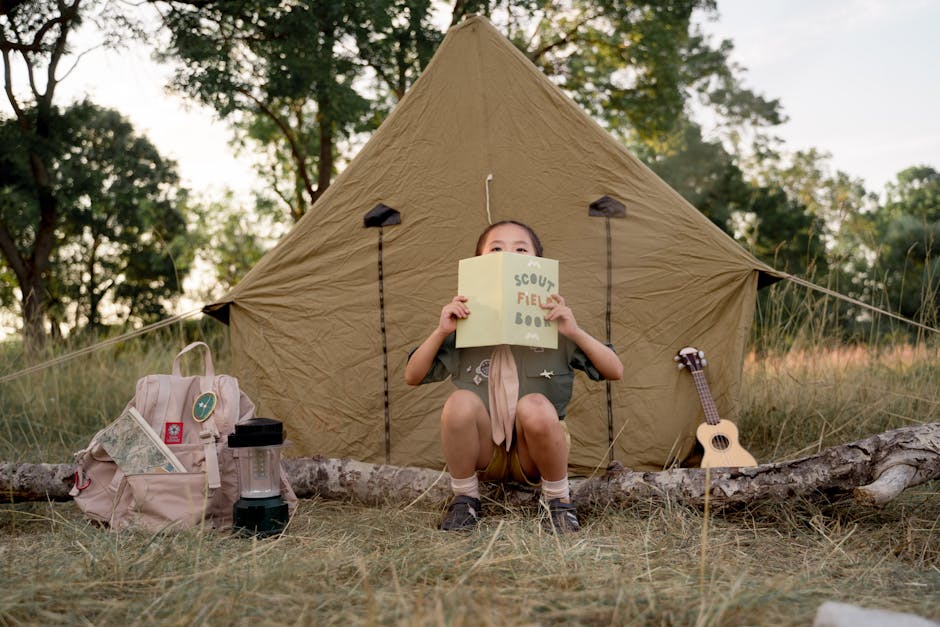
Your footwear. Period. Forget the fancy stove or the ultralight tent if your feet aren’t properly protected. Good hiking shoes or boots with proper grip and ankle support prevent injuries, keep you comfortable, and can make or break your entire trip, especially on wet, slippery jungle trails. Invest in quality; your feet are your foundation.