August rain does not make every Asian city a washout. The bigger mistake is planning a full outdoor day, then trying to rescue it after the first storm. Build each day around one reliable indoor anchor, keep one nearby backup, and place short hops only in the clearest part of the forecast. That simple order gives you a usable trip even when rain arrives early.
Which Asian cities handle August rain best?
The best base is not always the driest city. It is the city where rain causes the fewest transport problems and where indoor attractions sit close together. August showers often arrive in bursts, so a dense city with covered walkways, rail links, museums, food halls, and large shopping areas gives you more control than a scenic destination built around beaches or mountain trails.
| City | Typical August pattern | Strong indoor anchor | Good short hop |
|---|---|---|---|
| Singapore | Short tropical showers, high humidity, storms at any time | National Gallery, ArtScience Museum, Gardens by the Bay conservatories | Sentosa, only after a clear forecast |
| Kuala Lumpur | Late-day thunderstorms are common | Petronas area, Central Market, major covered malls | Putrajaya by rail or car during a dry morning |
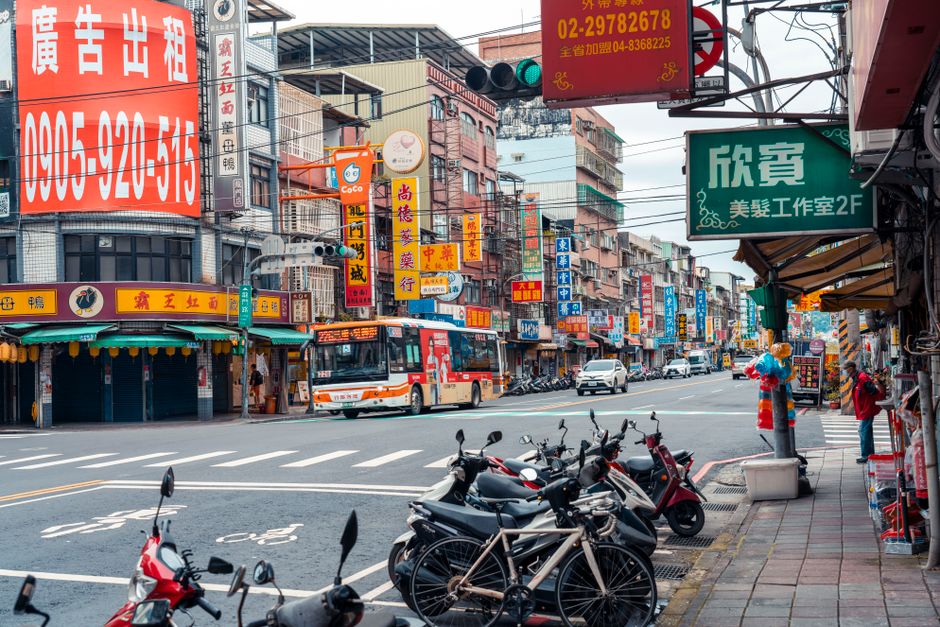
| Taipei | Heavy rain can last longer; typhoon risk matters | National Palace Museum, Taipei 101, underground shopping streets | Beitou or Tamsui when wind and rain stay low |
| Bangkok | Heavy showers often break up the day rather than last all day | Museum Siam, riverfront malls, Jim Thompson House | Ayutthaya only with a dry morning and transport buffer |
| Seoul | Humid spells and strong rain, with occasional typhoon effects | National Museum of Korea, palaces with nearby indoor stops, COEX | Incheon Chinatown or Suwon when roads are clear |
For a first August trip, Singapore is the easiest choice because the MRT connects many weather-proof districts and storms often pass quickly. Taipei is the better pick for food, museums, and hot-spring access, but it needs a stricter typhoon check. Bangkok gives the strongest value for indoor food and shopping days. Choose Seoul for a large museum and café network, not for a tightly packed outdoor sightseeing schedule.
How do you build a rain-proof city day?
Use the forecast as a timing tool, not as a reason to cancel the whole day. A useful plan has three layers: a fixed indoor anchor, a flexible nearby stop, and a short route back to the hotel. Keep all three inside one district whenever possible.
- Step 1: Check the rain window. Look at the hourly forecast at breakfast and again before leaving. A 70 percent chance of rain for 20 minutes is very different from six hours of steady rain. Also check lightning, wind, and flood alerts. A thunderstorm forecast cancels rooftop views, exposed ferries, and steep walking routes.
- Step 2: Pick one anchor that needs a reservation. Choose a museum, aquarium, gallery, covered market, or cooking class that can hold the middle of the day. Book only one major ticketed activity. Two fixed bookings create stress when trains slow down or a storm closes a walkway.
- Step 3: Add a ten-minute backup. The backup should be reachable without crossing a large road or open plaza. In Taipei, pair the National Palace Museum with an indoor tea stop. In Bangkok, pair a riverfront mall with a massage appointment. In Singapore, place a café or gallery within the same MRT-connected area.
- Step 4: Protect the transfer. Add 30 minutes for a normal city transfer and 60 minutes when rain affects roads, ferries, or outdoor queues. Avoid the last train, the final cable-car ride, and any airport transfer that depends on one express connection.
- Step 5: Move the outdoor stop to the end. If the sky stays clear, finish with a temple courtyard, skyline deck, riverside walk, or neighborhood market. If rain arrives, skip it without losing the main purpose of the day.
The key rule is simple: never make the outdoor activity the only reason to leave the hotel. Your day should still work if the rain begins at 2 p.m. and lasts until dinner.
What should you pack for wet city travel?
My clear packing choice is a small umbrella plus quick-drying shoes, not a heavy rain jacket. In hot Asian cities, a waterproof shell can feel worse than the rain after ten minutes of walking. You need protection that fits into a day bag and dries before the next morning.
Carry these five useful items
- Use Google Maps at no cost to save the hotel, nearest MRT entrance, indoor backup, and hospital before leaving. Download the city map because mobile signals can weaken inside stations and underground malls.
- AccuWeather has a free tier with hourly rain and lightning information. Compare it with the local weather service when a typhoon or flood warning appears; one app should not control a high-stakes transfer.
What should stay out of your bag?
Leave suede shoes, thick denim, open sandals with smooth soles, and large cotton totes at home. Wet denim takes too long to dry, while smooth sandals become risky on polished station floors. Pack one spare pair of thin socks in a sealed pouch; that small item improves comfort more than carrying extra clothing.
The verdict is practical: buy no special travel wardrobe unless your current shoes fail on wet tile. A compact umbrella, breathable shirt, spare socks, and a fast-drying pair of walking shoes solve most August city days.
When should you choose a short hop?
Is a nearby day trip worth the weather risk?
Choose a short hop only when the route has a strong indoor fallback and the return journey does not depend on a ferry or mountain road. Taipei to Beitou works because the hot-spring district, cafés, and rail station stay close together. Singapore to Sentosa works on a clear day, but it loses value when wind closes attractions or heavy rain blocks outdoor paths. Bangkok to Ayutthaya has more historic depth, yet the temples are exposed, the heat is intense, and wet roads can turn a simple return into a long evening.
Which transport tools reduce the risk?
Google Maps is useful for rail connections and walking time, while the Grab app gives a practical backup when rain makes a short taxi ride worthwhile. AirAsia MOVE can help compare regional flights, but a cheap ticket is not a good short hop if airport transfers consume half the day. For rail routes, use the official operator app or station display because delays and platform changes may appear there first.
How much buffer should you add?
For a same-city side trip, leave a 60-minute return buffer before dinner or an evening event. For a flight-based hop, allow at least three hours beyond the flight time for airport travel, check-in, and weather delays. Do not book a nonrefundable attraction on the far side of town for the first hour after arrival. The best August hop is close, reversible, and still enjoyable if you cut the outdoor section in half.
My pick is an urban rail hop, not an island or mountain excursion. It costs less to abandon, gives you more indoor options, and keeps the trip from becoming a weather gamble.
What mistakes ruin an August city day?
Do not schedule three outdoor landmarks before lunch, because one delayed storm can erase the whole route; place one indoor anchor first, keep every backup within the same district, and treat ferries, cable cars, exposed ruins, and rooftop viewpoints as optional bonuses rather than fixed commitments.
Do not read a general monthly forecast as a day-by-day promise, because August rain can vary sharply between neighborhoods; check the hourly view, lightning warnings, flood notices, and transport alerts before leaving the hotel, then change the order of stops when the weather changes.
Do not save money by choosing the farthest hotel from the transit network, because a cheap room can cost more in wet-weather taxi fares and lost time; in Singapore, Taipei, Bangkok, Kuala Lumpur, or Seoul, a station within a ten-minute covered walk is often worth the extra nightly cost.
For Asia August travel, the strongest plan is one dense city base, one indoor anchor each day, one nearby backup, and no fragile connection after sunset; choose Singapore for the easiest first trip, Taipei for museums and food, or Bangkok for the best indoor value, then reserve outdoor sights for the clearest forecast window.