You arrive in a European city expecting pink trees, warm benches, and an easy afternoon outside. Instead, the blossom has finished, rain has soaked the park, and your carefully planned walking route crosses half the city. April rewards flexible loops built around reliable tram corridors, one strong park anchor, and a realistic backup.
Why tram-and-park loops beat blossom chasing
The best April route is not the one with the most famous tree. It is the route that still works when flowering starts five days early, clouds cover the sky, or a park feels too crowded to enjoy. A tram gives you a fixed urban spine. A park gives you the seasonal reason to get off. The walk between them creates the experience.
Use the two-hour blossom rule
Plan each outdoor stop as a two-hour window rather than a full-day promise. That gives you enough time to walk slowly, take photographs, find a café, and leave before the weather or crowds turn the visit into a chore. April bloom dates move with temperature, wind, and rain. A cherry tree can look perfect on Tuesday and lose most of its petals by Saturday.
Check recent visitor photographs, the park’s official updates, and the weather forecast 48 hours before the visit. Do not trust a travel photograph from last spring as a forecast for this spring.
Build around one fixed anchor
Choose one place that makes the day worthwhile even if every secondary stop fails. In Paris, that anchor can be the 2026 Hanami programme at Domaine départemental de Sceaux. In Vienna, it can be Stadtpark beside the Ring. In Amsterdam, it can be the museum district beside Vondelpark. The tram ride then connects useful places instead of becoming a sightseeing task with no purpose.
Keep the walking distance between stops below 2.5 kilometres whenever possible. April showers become much easier to handle when you can board the next tram within ten minutes.
Which April Europe loop fits your trip?
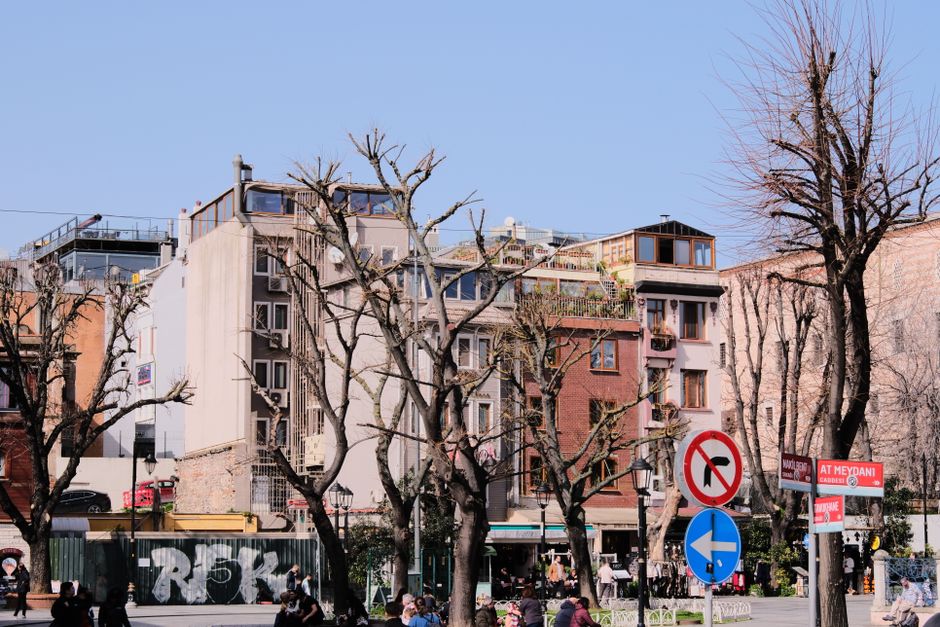
The table below ranks four practical loops by what they actually deliver in April. The walking figures are planning estimates, not official measurements, so leave room for photographs, food, and missed connections.
Fast comparison of the four routes
| City | Transit spine | Spring anchor | Best April use | Typical walking |
|---|---|---|---|---|
| Paris | RATP T3b | Parc de la Villette, with Sceaux as a separate blossom day | Cherry blossom plus strong rainy-day culture | 4–6 km |
| Amsterdam | GVB Tram 2 | Vondelpark and Museumplein | Easy sightseeing with quick indoor backups | 3–5 km |
| Vienna | Wiener Linien Tram 1 | Stadtpark and Prater Hauptallee | Central parks, grand streets, and long views | 5–7 km |
| Zurich | VBZ Trams 2 and 4 | Chinese Garden and Zürichhorn | Lake scenery and a quieter garden stop | 4–6 km |
How to choose without overplanning
Choose Paris for the strongest cherry-blossom focus, Vienna for the best balance of central sights and green space, Amsterdam for the simplest first visit, and Zurich for a slower lake-and-garden day. Paris needs the most route discipline because Sceaux sits outside the tram corridor. Amsterdam works best when museums matter as much as flowers. Vienna gives you the clearest tram journey from historic centre to a large park. Zurich offers calm, but its Chinese Garden is a poor choice for a late-evening stop because November-to-April hours end at 5 p.m.
My overall pick for a first April trip is Vienna. It asks the least from the traveller while still delivering a memorable tram ride and two very different park settings.
Paris: the strongest blossom-first loop
Choose Paris when the flowers matter more than keeping every stop inside the centre. The practical route starts with RATP T3b at Porte de la Villette or Porte de Pantin, continues through Parc de la Villette, and then uses the wider rail network for the cherry trees at Sceaux.
Morning: T3b and Parc de la Villette
Arrive at Porte de la Villette before 10 a.m., when the paths feel quieter and the light works better for photographs. Walk through the park toward the canal, the large lawns, and the cultural buildings. The park gives you space to slow down without demanding a full day. If rain arrives, the Cité des Sciences et de l’Industrie offers an immediate indoor change of plan.
Board T3b again at Porte de la Villette or Porte de Pantin. The line makes this section useful because you can move between park entrances without committing to a long cross-city walk. Check the live RATP service before leaving; tram corridors can face temporary works, event diversions, or delayed vehicles.
Afternoon: Sceaux when cherry blossom is the priority
For 2026, Paris tourism information lists Hanami at Domaine départemental de Sceaux from 4 to 19 April, with about 150 sakura trees. The estate planned reservations for access to the lawns beneath the trees, so treat the reservation as part of the route rather than an optional extra. Take the RER B to La Croix-de-Berny, then walk into the estate.
This is not a tram-only itinerary, and that trade-off matters. If you want a pure tram day, stay with T3b and Parc de la Villette. If you want the most reliable cherry-blossom target in the Paris area, accept one rail transfer and protect the Sceaux time slot. That clear choice prevents the common mistake of spending the whole day moving between attractive parks without reaching the one in peak bloom.
Amsterdam: use Tram 2 as the weather-proof spine
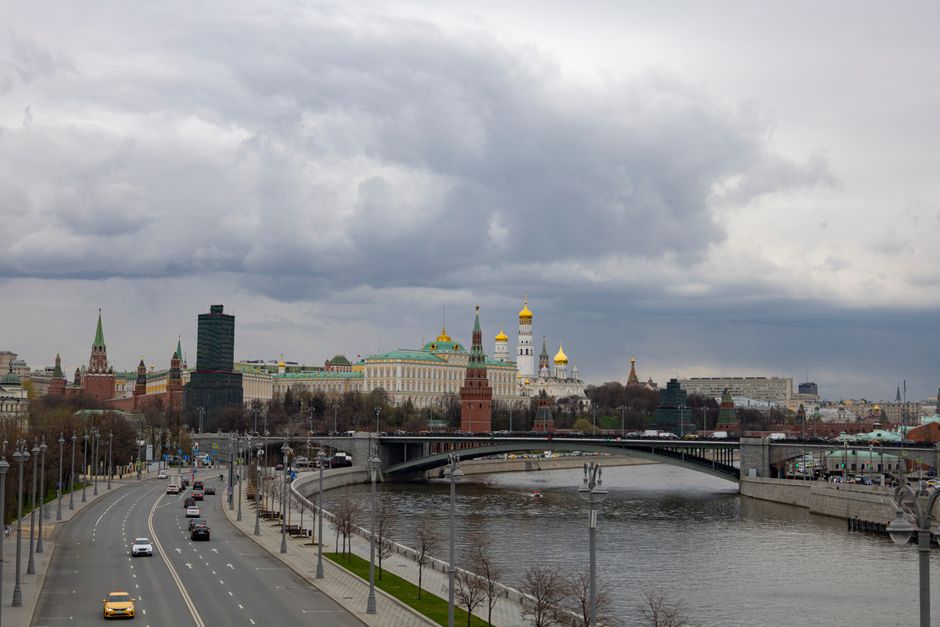
Amsterdam’s Tram 2 works best as a flexible sightseeing loop rather than a blossom expedition. GVB highlights the corridor from Centraal Station toward Hoofddorpplein because it passes the canals, Rijksmuseum, Stedelijk Museum, Van Gogh Museum, and Vondelpark. That concentration gives the route its real strength: you can keep the outdoor plan when the sky clears and switch indoors without losing the day.
Run the route from Centraal to Hoofddorpplein
- Start at Centraal Station and ride toward the museum district, watching the canal houses and bridges from the window.
- Get off near the Rijksmuseum or Museumplein for a short walk through the museum quarter.
- Enter Vondelpark for 45 to 75 minutes, using the park as a seasonal pause rather than expecting every tree to peak at once.
- Return to Tram 2 and continue toward Hoofddorpplein if the weather stays dry.
- Reverse direction when rain begins, then choose one museum or a café near the central corridor.
Why this loop beats a tulip-only plan
April weather can break a flower-focused itinerary because outdoor attractions often sit outside the centre and require timed tickets or extra transfers. Tram 2 keeps the day compact. You can see the canals, take photographs in Vondelpark, and reach several serious indoor options on foot.
Do not treat the tram as a hop-on sightseeing vehicle with guaranteed empty seats. Board outside the busiest museum arrival period, keep bags close, and allow ten extra minutes at each transfer. A full day works best when you choose two major stops and leave the rest as optional. For Amsterdam, that restraint produces a better day than racing to collect every park on a map.
Five mistakes that ruin an April blossom loop

Protect the anchor stop first, then let the tram fill the gaps. Most disappointing spring days fail because the itinerary treats flowers as fixed appointments and public transport as background scenery.
What to check before leaving the hotel
- Check the bloom report from the park or city tourism office, not only an old social-media photograph.
- Check live tram and rail service on the morning of the trip. Planned works can change a line’s destination or remove a stop.
- Confirm reservations for restricted lawns, festivals, museums, and special garden areas. Sceaux’s 2026 Hanami access rules show why this matters.
- Put an indoor stop beside the outdoor anchor. A museum, greenhouse, covered market, or café should sit within a short walk.
- Start early on sunny weekend days. Popular blossom parks fill quickly, and crowded paths make the best-looking trees difficult to enjoy.
When not to force the route
Skip the long loop when wind has stripped the petals, rain will last all afternoon, or a service disruption breaks the main corridor. Use the city’s museums, markets, and neighbourhood cafés instead, then try the park the next morning. A spring city break should respond to the season rather than punish you for following a map.
The strongest April Europe spring city loops pair one dependable tram corridor with one flexible blossom anchor, so Vienna is the best all-round choice while Paris wins for dedicated cherry-blossom hunters.