What should you wear for a January city walk in the Middle East when the morning feels cold, the midday sun feels hot, and local dress rules still matter? Pack light layers, choose loose opaque clothing, and plan your longest outdoor route before noon or after 3 p.m.
How to dress for Middle East city dress codes
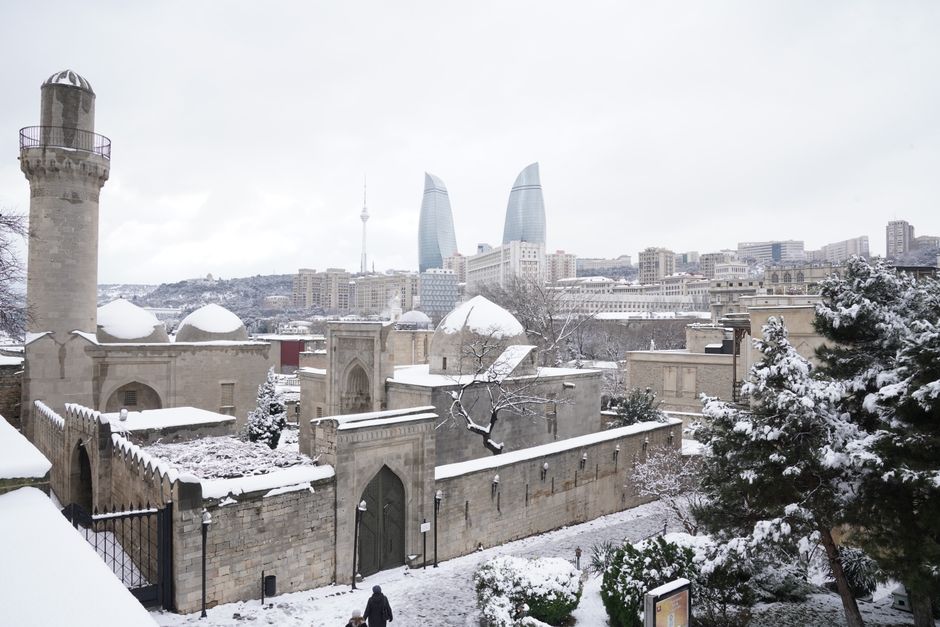
Dress codes are easiest to follow when you build an outfit that works across streets, malls, museums, restaurants, and religious sites. The safest default is loose, opaque clothing that covers the shoulders and knees without looking like beachwear. That standard works in Dubai, Doha, Riyadh, Muscat, Amman, and Cairo, although each venue can set stricter rules.
Step 1: Cover the areas most often checked
- Wear trousers, a long skirt, or loose trousers that reach below the knee.
- Choose a top with sleeves that cover the shoulder. A loose short sleeve usually works better than a narrow tank top.
- Keep a thin scarf or overshirt in your day bag for markets, government buildings, and religious sites.
- Use opaque fabrics. Sunlight can make thin white cotton see-through even when it looks modest indoors.
- Save shorts, crop tops, swimwear, and transparent cover-ups for a beach, hotel pool, or clearly marked resort area.
Step 2: Adjust the outfit to the neighborhood
Modern business districts and hotel areas may feel relaxed, but old quarters, local markets, and religious buildings call for more coverage. In Saudi cities, choose loose clothing that covers the shoulders and knees and avoid tight or sheer pieces. In Oman and Qatar, the same approach is the least stressful choice for public walking. In Egypt and Jordan, tourists will see a wider mix of clothing, yet covering shoulders and knees remains the respectful option outside resort areas.
Step 3: Pack a religious-site layer
Religious buildings may ask visitors to cover hair, arms, legs, or all of the body. Rules vary by site. Some provide robes or cover-ups; others expect visitors to arrive prepared. A lightweight scarf, ankle-length overshirt, and loose trousers take little space and prevent a long walk back to the hotel. Check the venue page before visiting, because the dress rule at a major mosque can be stricter than the rule on the surrounding street.
The clear winner for mixed city days is a loose long-sleeve shirt over ankle-length trousers. It handles changing temperatures, respects local expectations, and looks normal at lunch, in a museum, or on a waterfront promenade.
When should you walk to handle the heat swing?
Plan your route around the sun rather than treating January as a single cool season. The best walking window changes by city, but the pattern stays useful: early morning is cool, late morning is bright, the middle of the day can feel harsh in direct sun, and the two hours before sunset often bring the most comfortable mix of light and temperature.
What is the best time for a long route?
Start a long walk between 7:30 and 9:30 a.m. if you are in Riyadh, Amman, or Cairo and want to avoid the strongest afternoon glare. In Dubai, Doha, and Muscat, starting between 8:30 and 10:30 a.m. gives you comfortable temperatures before the pavement and waterfront areas heat up. Carry water even when the air feels cool. Dry winter air can reduce your sense of thirst while you are still losing fluid.
How should you handle the midday block?
Between noon and 3 p.m., shorten outdoor sections and place museums, cafés, galleries, malls, or indoor markets in the middle of the route. The goal is not only to avoid heat. It also reduces glare, foot fatigue, and the cold-to-hot-to-cold cycle caused by moving between open streets and heavily air-conditioned interiors. If you must walk then, use sunglasses, a brimmed cap, and a long-sleeve overshirt with a loose weave.
Why does the sunset hour need another layer?
After sunset, temperature drops become obvious in inland cities. Riyadh can lose more than 10°C from afternoon to night, while Amman can feel colder because of elevation and wind. Coastal cities may stay milder, but breezes near the Corniche or marina can cut through a damp shirt. Keep your outer layer in your bag before the sun disappears, not after you start shivering.
Sunset drop is the practical rule: if your walk continues past sunset, pack one layer warmer than the afternoon forecast suggests. This single habit prevents the most common January mistake—leaving the hotel in summer clothing because the first hour feels warm.
Which walking layers earn space in your bag?
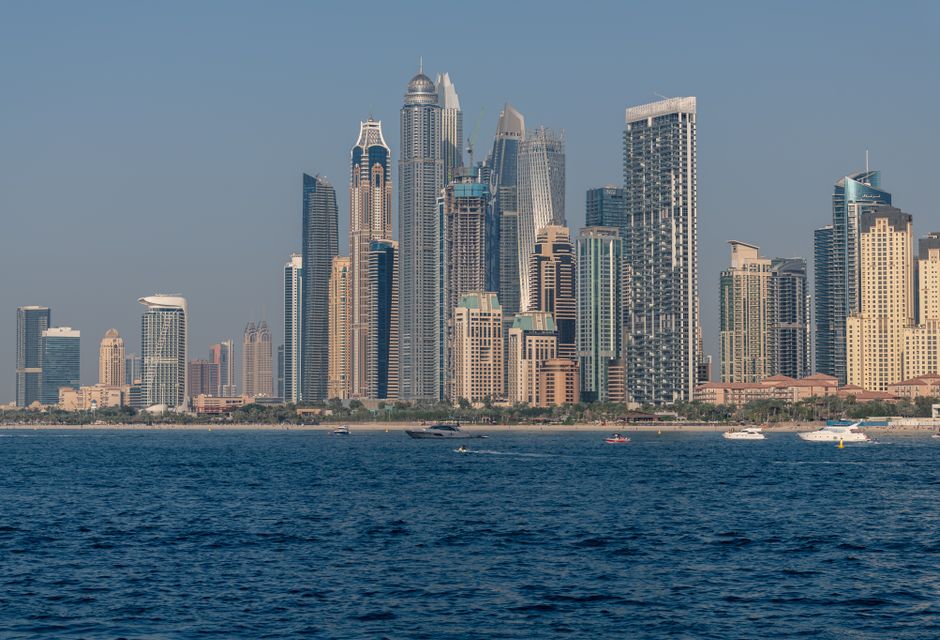
My pick is a three-layer system: a breathable base, a loose coverage layer, and a packable warm layer. It works better than one thick coat because indoor spaces can be aggressively cooled, while sunny streets can feel hot within minutes. You do not need specialist equipment, but named examples make the sizing and weight easier to judge.
Use a light base and coverage shirt
The Columbia shirt is the stronger choice for a full walking day because its sleeves protect your arms without adding much warmth.
Add insulation only when the route needs it
Prices vary by country and sale period, so treat these as typical 2026 reference prices rather than fixed local costs.
Carry a bag that does not fight your outfit
A smaller 10–15-liter day bag is enough for a short route, but 20 liters is the better choice if you will spend the day moving between indoor and outdoor spaces. Skip a bulky hiking pack for old-city streets; it catches on chairs, crowds, and narrow shop entrances.
Do not buy a heavy winter coat for Dubai, Doha, or Muscat unless your itinerary includes a cold desert night. For Riyadh or Amman, buy warmth only if your forecast shows cold mornings or late outdoor dinners. The best setup is the one you can remove, fold, and carry after the sun comes out.
Which city-walk plan fits your January day?
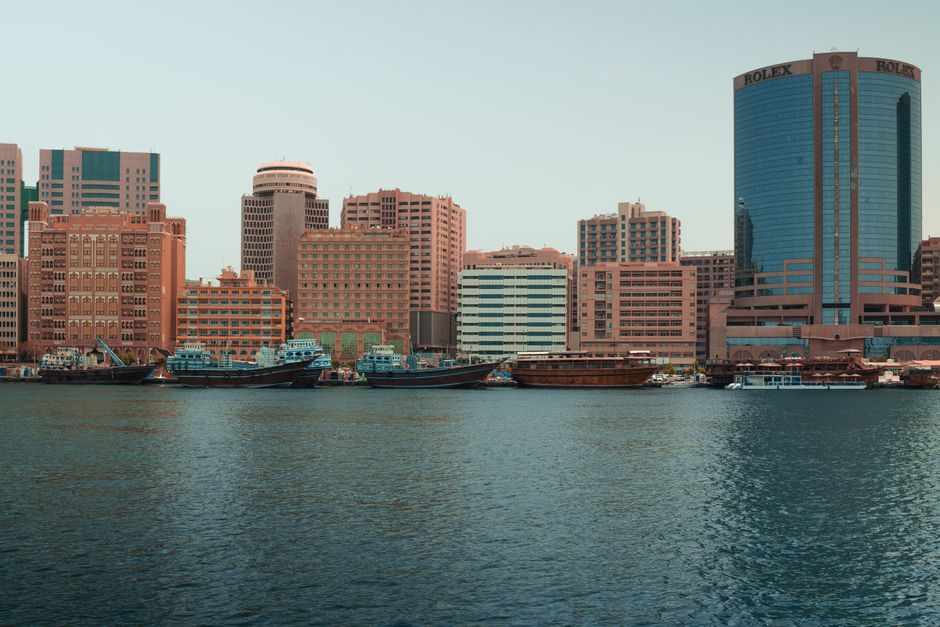
Your destination should decide the balance between sun protection, modest coverage, and insulation. Use the comparison below when planning one main walking route rather than packing for every possible weather change.
| City type | Best walking window | Reliable outfit | Main mistake to avoid |
|---|---|---|---|
| Warm coastal city | 8:30–11:30 a.m. or 3:30–sunset | Breathable top, loose trousers, overshirt, sunglasses | Wearing beach clothing in public districts |
| Cool inland capital | 10 a.m.–3 p.m. | Long trousers, long-sleeve shirt, fleece or light jacket | Starting early with only a T-shirt |
| Religious-site route | Late morning or early afternoon | Opaque layers, covered shoulders and knees, scarf | Assuming street clothing meets site rules |
| Waterfront promenade | Late afternoon before sunset | Loose sun layer plus packable wind layer | Ignoring wind after the sun drops |
| Old market or historic district | Morning, with an indoor break at midday | Comfortable walking shoes, loose coverage, water | Planning one nonstop outdoor block |
The simplest packing decision
Choose one outfit for the hottest expected hour, then add layers for the coldest expected hour. That means breathable clothing for Muscat or Dubai, a warm outer layer for Amman or Riyadh, and a scarf or overshirt for every route that includes religious or formal public spaces.
The final verdict
For most Middle East January city walks, loose trousers, a shoulder-covering shirt, a thin overshirt, sunglasses, water, and one packable warm layer give the best balance. They handle heat swings without breaking local expectations, and they keep your route flexible when the forecast changes.