The right answer is a two-zone capsule, not more luggage
A 39-liter carry-on can hold a week of hot- and cold-weather clothing, but only if each item has more than one job. The real problem is not a lack of space. It is the clash between bulky cold-weather layers and small warm-weather clothes.
Build around shared layers
The strongest system starts with clothes that work in both climates. Pack two lightweight merino or synthetic T-shirts, one long-sleeve shirt, one pair of quick-dry trousers, and one pair of shorts. Add a thin fleece or sweater, a rain shell, and one warm base layer. The same T-shirt works under a fleece in a cold city and alone in a warm one. The rain shell blocks wind, rain, and air-conditioning without taking the space of a heavy coat.
Use the cold climate as the limit
Pack for the coldest morning, not the coldest possible forecast. Wear the bulkiest shoes, trousers, and outer layer on the travel day. Keep only one warm layer inside the bag. A thin down jacket can replace a thick sweater, and a merino base layer can replace several ordinary long-sleeve shirts. This is the key verdict: the best two-climate setup is a two-zone capsule with shared layers, not separate hot-weather and cold-weather wardrobes.
Use three cubes, not a full matching set

Most travelers buy a large cube set and then fill every space because the cubes are available. That creates a heavy, rigid suitcase. A better layout uses one cube for warm-weather clothing, one for cold-weather layers, and one small cube for underwear and swimwear. Shoes, toiletries, and laundry stay outside the clothing cubes.
Match cube size to the bag
| Cube role | Useful capacity | What goes inside | Target weight |
|---|---|---|---|
| Warm-weather cube | 7-10 L | Four tops, shorts, swimwear, sleepwear | 2.5-3.5 lb |
| Cold-weather cube | 8-12 L | Fleece, base layer, trousers, long-sleeve shirt | 3-4.5 lb |
| Small essentials cube | 3-5 L | Underwear, socks, belt, gloves | 1-1.5 lb |
| Laundry or shoe pouch | 2-6 L | Dirty clothes or one compact pair of shoes | 1-2.5 lb |
Leave expansion space unused
A cube should close without forcing the zipper. Leave roughly one inch of soft space at the top. That gap makes the cube easier to remove, gives damp clothing room to breathe, and stops the bag from becoming a hard block. The verdict is simple: three cubes are enough for most solo two-climate trips. Buy a larger set only for family travel or long trips with frequent outfit changes.
Pack by climate, then compress only soft layers
My strongest recommendation is to organize by climate, not by clothing type. If warm-weather clothes and cold-weather clothes share one cube, every temperature change turns into a full unpacking job. Keep the first destination’s clothing near the top, then place the second climate below it.
Pack the warm zone first
Fold or roll lightweight shirts, shorts, swimwear, and sleepwear into the first cube. Place the cube flat at the bottom of the carry-on. Add sandals or a shoe pouch beside it, not on top. The warm zone usually contains the highest number of small items, so the cube keeps them from spreading into unused corners.
Pack cold layers loosely
Put the fleece, long-sleeve shirt, trousers, and base layer in the second cube. Do not compress a down jacket, wool sweater, or fleece until the final layout is complete. These fabrics need loft to insulate, and heavy compression can also create a dense lump that wastes the space around it. The Gonex Extensible Packing Cubes 3Pcs Set uses a double-zipper system and costs $28.99 on the brand’s US site, but its compression zipper works best on soft layers rather than stiff shoes or thick denim.
Use the cube as a drawer
At the hotel, remove one cube and place it in the dresser or on a shelf. Keep the other cube closed until the climate changes. The Peak Design Packing Cube Medium costs $39.95 and expands from 8 liters compressed to 18 liters expanded. Its divider also separates clean and worn clothes, which makes it the best premium choice for travelers who change climates halfway through the trip. Compression saves space; it does not create space. If the bag is already full, remove an item instead of tightening another zipper.
Avoid these five carry-on packing mistakes
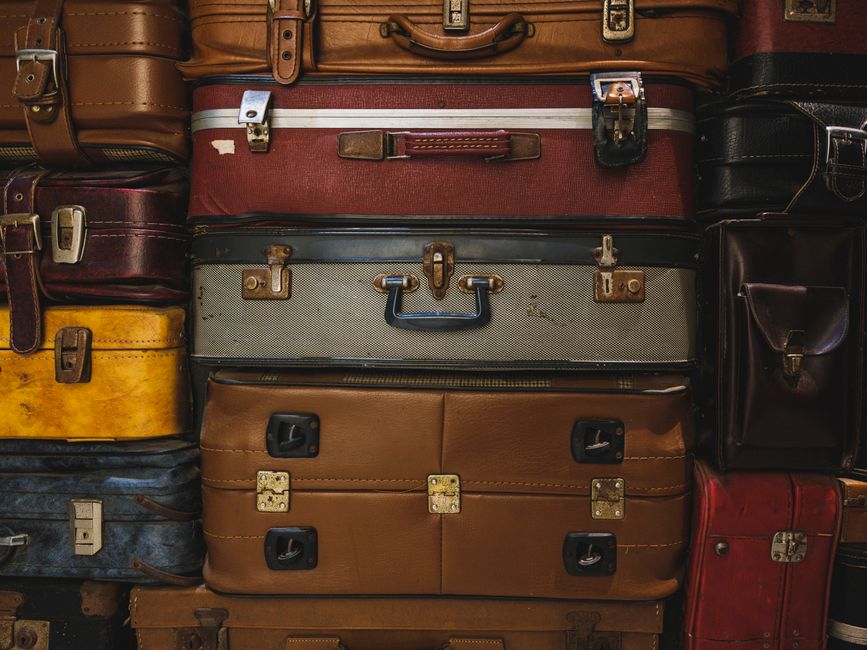
Two-climate packing fails for predictable reasons. Fix these before buying another organizer.
- Buying cubes before measuring the bag. Measure the interior length, width, and depth, not the advertised exterior capacity. A cube that is two inches too wide can waste more space than it saves.
- Packing a full outfit for every day. Seven days does not require seven outfits. Pack four tops, two bottoms, one warm layer, and enough underwear for the laundry schedule. Wash a shirt in a sink when needed.
- Using compression on every item. Compression cubes reduce air between clothes, but they add weight and create stiff blocks. Compress T-shirts and synthetic layers. Leave footwear, denim, and structured jackets outside.
- Ignoring airport temperature changes. Wear the jacket and trousers on the plane, but keep a thin shirt accessible. A cold aircraft cabin can make the first hour uncomfortable if every layer is buried under a packed cube.
- Trusting the airline label without checking the route. A bag sold as international carry-on may exceed a smaller airline’s limit. Check the operating carrier, the fare class, and the dimensions including wheels and handles.
When not to buy compression cubes
Skip compression cubes if you already pack light, use a narrow backpack, or travel with delicate knitwear. A simple mesh cube weighs less and opens faster. Compression also has little value when the problem is too many shoes or toiletries. Remove the bulky item first.
When a backpack beats a spinner
Choose a backpack for stairs, trains, and uneven streets. Choose a spinner for long airport walks and heavier loads. Neither format fixes overpacking. The best purchase is the one that keeps the total load below the airline limit and remains comfortable after a full travel day.
Peak Design wins for organization; Travelpro wins for capacity
The best gear depends on the shape of the trip, but my clear winner for most travelers is a medium cube paired with a compact softside spinner. That combination gives fast access, flexible volume, and room for one warm layer without turning the bag into a gear project.
| Product | Key specifications | Typical US price | Best use |
|---|---|---|---|
| Peak Design Packing Cube Medium | 8 L compressed, 18 L expanded; divider; recycled 70D ripstop | $39.95 | Best overall cube |
| Eagle Creek Pack-It Reveal Cube Set | XS, S, and M; 1 L, 3 L, and 7 L; mesh tops | $59.00 | Best visible organization |
| Gonex Extensible Packing Cubes 3Pcs Set | Three cubes; nylon; double-zipper compression; 260 g set weight | $28.99 | Best budget compression |
| Travelpro Maxlite 5 International Carry-On Spinner | 39 L; 21.75 x 15.75 x 7.75 in; 5.3 lb | $160.00 | Best wheeled carry-on |
| Osprey Daylite Expandable Travel Pack 26+6 | 26 L, expandable by 6 L; 17 x 13 x 6 in; 1.85 lb | $110.00 | Best backpack and personal-item option |
Choose the right combination
For a suitcase, choose the Peak Design medium cube plus the Eagle Creek XS/S/M set if you want clear visibility and separate small items. The Travelpro Maxlite 5 International Carry-On Spinner is the better bag for travelers carrying shoes or a heavier jacket because its 39-liter interior and 5.3-pound empty weight leave useful room without becoming oversized.
Pick the lightest setup for transit-heavy trips
For trains, stairs, and budget airlines, choose the Osprey Daylite Expandable Travel Pack 26+6 at $110. It weighs 1.85 pounds, starts at 26 liters, and expands by 6 liters. Pair it with one medium cube and one small pouch. This is the best setup for travelers who value mobility over maximum volume.
Questions to settle before you buy
The final decision should follow your route, not a product ranking. These three answers cover the most common edge cases.
Do packing cubes make clothes take up less space?
Ordinary cubes do not shrink fabric. They keep clothing contained and make the bag easier to load. Compression cubes remove some air between soft items, but the result is often modest. A compression zipper cannot overcome too many garments, heavy shoes, or a bag with poor interior dimensions.
Should I buy waterproof packing cubes?
For most trips, water-resistant fabric and a separate laundry bag are enough. A cube is not a dry bag unless the seams and zipper are built for immersion. Use a waterproof pouch for swimwear or toiletries, and keep damp clothing separate from clean clothes. The Eagle Creek Pack-It Reveal cubes use water-resistant recycled fabric, but their mesh tops favor visibility and airflow over full waterproofing.
What is the single best setup?
For a typical seven-day trip between a warm city and a cool one, buy the Peak Design Packing Cube Medium, one small mesh cube, and a separate laundry pouch. Put four warm-weather tops in the medium cube, keep one fleece and one base layer loose until the final pack, and wear the bulkiest shoes on the plane. For most travelers, that compact three-piece system is the clearest, lightest, and most reliable way to carry two climates in one bag.