Most India travel safety advice reads like a fear list. Don’t go out at night. Don’t trust anyone. Don’t eat street food. That advice is useless because it doesn’t tell you what actually goes wrong and how to fix it. After reading dozens of traveler reports and safety incidents from 2026 and early 2026, the pattern is clear: visitors don’t get hurt because India is dangerous. They get hurt because they make predictable, avoidable mistakes in the first 72 hours.
This article covers the specific failure points — transport scams, hotel selection errors, food missteps, and the solo female travel questions nobody answers directly. No fear-mongering. Just what breaks, why it breaks, and the exact fix.
Transport Mistakes That Cost You Money and Time
The single most common India travel safety complaint isn’t violent crime. It’s transport-related fraud and confusion. You land at Indira Gandhi International Airport in Delhi at 2 a.m., exhausted, and a man in a crisp shirt approaches you before you reach the official prepaid taxi counter. He says the counter is closed. He says his taxi is “government approved.” You follow him. You just made mistake number one.
The prepaid taxi counters at Delhi Airport, Mumbai Airport, and Bengaluru Airport are open 24 hours. They are not closed at 2 a.m. They are never closed. Anyone who tells you otherwise is running a private taxi scam that will cost you three to five times the normal fare, and in some reported cases, drivers have taken solo travelers to “recommended” hotels where they receive a commission. This is not a rare edge case — it’s the most frequently reported scam in India travel forums.
Use Ola and Uber, Not Street Taxis
For city travel, Ola and Uber operate in every major Indian city. The fare is locked in the app. The driver’s identity is recorded. The route is tracked. A street taxi has none of these protections. In Delhi, a 10-kilometer ride in an Ola costs around ₹250-350 ($3-4). The same ride in a street taxi negotiated at the curb can cost ₹800-1,200 ($10-15) if you don’t know the going rate. The math is simple: use the app.
One exception: in smaller towns in Rajasthan or Himachal Pradesh, Ola and Uber may not operate. In those places, negotiate the fare before you get in the car. Write the agreed price on your phone’s notes app and show it to the driver. This takes ten seconds and eliminates the “you said different price” argument at the end.
Train Travel Requires Advance Booking
India’s railway system moves 23 million passengers daily. It’s safe. It’s also confusing if you don’t know how booking works. Foreign tourists often assume they can buy a ticket at the station on the day of travel. For sleeper class and AC classes on popular routes like Delhi to Agra or Delhi to Jaipur, that is almost always false. Tickets sell out days in advance.
Book through IRCTC, the official Indian Railways booking platform, or use MakeMyTrip or 12Go Asia if you want an English-friendly interface. The foreign tourist quota is a real thing — a limited number of seats are reserved for international travelers on many routes. You need to book 3-7 days ahead for popular segments. Waiting until the day before is the mistake that forces you into an overpriced private car or a bus you didn’t plan for.
Hotel Area Selection Prevents Most Safety Problems
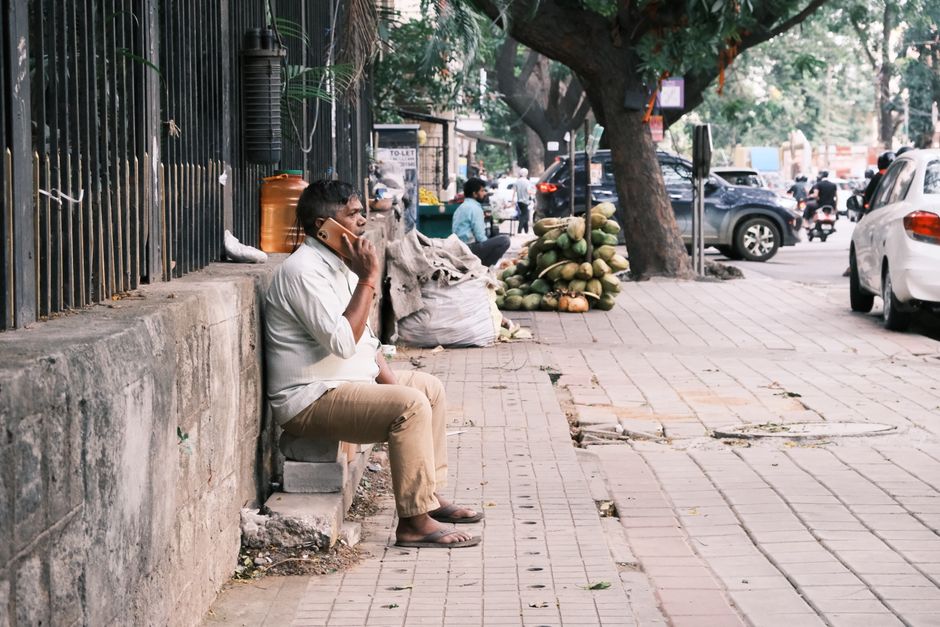
Here’s a direct verdict: your hotel’s neighborhood matters more than the hotel’s star rating. A 4-star hotel in Paharganj, the backpacker district near New Delhi Railway Station, is not safer than a 3-star hotel in a residential area like Hauz Khas or Defence Colony. Paharganj has a high density of touts, pickpocketing reports, and aggressive street-level scams targeting tourists. The hotel itself may be fine. The street outside is the problem.
For first-time visitors, the safest approach is to book hotels in areas that are primarily residential or business districts, not tourist ghettos. In Delhi, that means areas like Connaught Place (central, well-lit, high foot traffic), Hauz Khas (south Delhi, cafes and shops open late), or Aerocity (near the airport, chain hotels, low hassle). In Mumbai, Colaba is tourist-heavy but generally safe due to constant foot traffic. In Jaipur, areas near MI Road or C-Scheme are better than isolated havelis outside the city walls.
| City | Safer Areas for First-Time Visitors | Areas to Avoid Late at Night |
|---|---|---|
| Delhi | Connaught Place, Hauz Khas, Aerocity | Paharganj, areas near Old Delhi railway station |
| Mumbai | Colaba, Bandra West, Lower Parel | Isolated lanes near CST station after 11 p.m. |
| Jaipur | MI Road, C-Scheme | Outskirts beyond the city walls at night |
| Goa | Calangute, Candolim, Palolem | Remote beaches without lighting after dark |
| Varanasi | Assi Ghat area, Cantonment | Narrow alleyways near Godowlia at night |
Book your first two nights before you arrive. This is not the time to be spontaneous. You need a fixed address for your arrival, a place to drop bags, and a base to recover from jet lag. After two nights, you can move if you find something better.
Food Safety: The Rules That Actually Work
The blanket advice “don’t eat street food” is wrong. India’s street food is one of the best reasons to visit. The correct advice is more specific: eat street food at stalls with high turnover, eat it during peak hours, and avoid anything that has been sitting out. A stall with a line of locals at 1 p.m. serving hot chole bhature is safer than a fancy hotel buffet where curries have been sitting on warming trays for three hours.
The most common food safety mistake is not street food. It’s tap water in any form. This includes brushing your teeth with tap water, eating raw vegetables washed in tap water, and drinking beverages with ice cubes. Many travelers know not to drink tap water but forget that ice is frozen tap water. In restaurants, ask for bottled water and request no ice. In smaller towns, check that the bottle seal is intact — refilled bottles are a known issue in some tourist areas.
For street food, the practical checklist is short: eat hot food that is cooked in front of you, avoid raw chutneys and cut fruit that has been sitting out, and watch where the vendor’s hands go. If the vendor handles money and then handles food without washing hands, that’s a pass. In Delhi’s Chandni Chowk and Mumbai’s Mohammed Ali Road, the best stalls are the ones where one person handles money and another handles food. Those are the stalls to eat at.
Solo Female Travel in India: The Questions Nobody Answers Directly
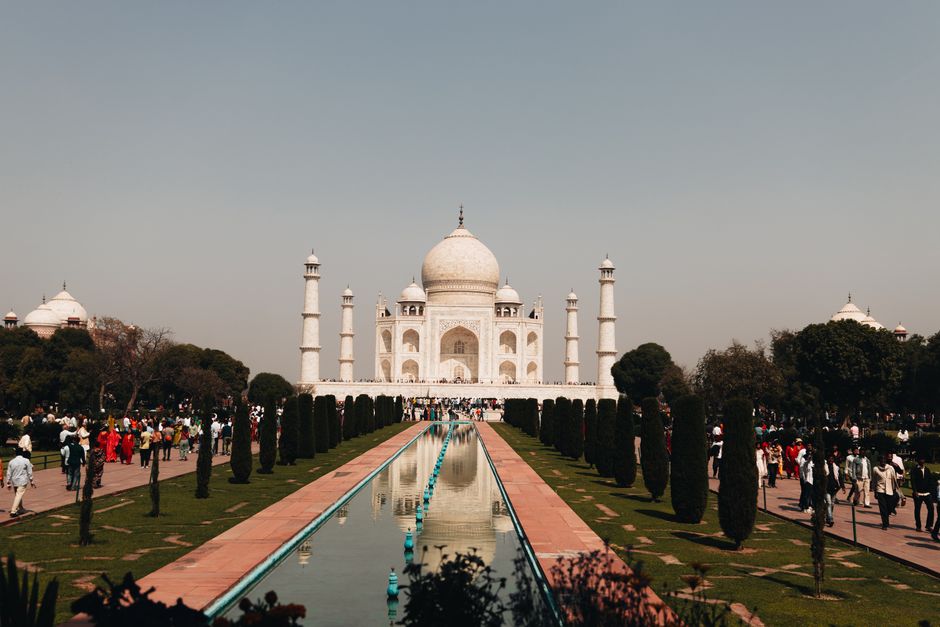
Is solo female travel in India safe? Here’s the honest answer: it is doable, it is common, and it requires more planning than solo travel in Thailand or Japan. The risks are real but specific. Staring is common. Groping in crowded areas is reported. Unwanted attention in tourist areas is frequent. None of this means you shouldn’t go. It means you should plan differently.
The most effective safety tool for solo female travelers in India is location choice at night. The majority of reported harassment incidents occur in crowded public spaces (markets, train stations, buses) and in isolated areas after dark. The fix is not to stay in your hotel after 6 p.m. — that’s absurd. The fix is to choose well-lit, high-foot-traffic areas after dark and to use app-based taxis rather than walking long distances alone.
What actually works
- Book hotels with 24-hour front desk and female staff. Many women-only hostels and guesthouses now operate in Delhi, Jaipur, and Goa. Zostel and goSTOPS are two chains with women-only dorm options.
- Use Ola or Uber after 9 p.m. even for short distances. The cost is minimal compared to the risk reduction.
- Dress conservatively in non-metro areas. In Mumbai and Bangalore, Western clothing is normal. In smaller towns in Rajasthan or Uttar Pradesh, covering shoulders and knees reduces unwanted attention.
- Carry a local SIM card. Airtel and Jio both offer tourist SIMs at airports. A working phone with data is your best safety tool because it gives you maps, translation, and the ability to call for help.
One thing that surprises many solo female travelers: Indian women are often the best source of help. If you feel unsafe, approach an Indian family or a group of Indian women. In most reported cases, they will help you without hesitation. This is not a substitute for planning, but it’s a real resource that many guidebooks don’t mention.
Scam Patterns You Can Spot Before They Happen
India’s tourist scams follow predictable scripts. Once you know the scripts, they’re easy to spot. The most common one in Delhi and Agra is the “attraction is closed” scam. A friendly man approaches you near a monument and says it’s closed for a religious ceremony or a government holiday. He then offers to take you to a “better” place — usually a shop where he gets a commission. The monument is not closed. Check the official website or walk to the entrance and see for yourself.
Another common pattern is the “helpful local” who appears at train stations or bus stands. He asks where you’re going, says your train is delayed or your platform has changed, and leads you to a travel agency where you’ll be pressured to book an overpriced tour. The fix is simple: never follow anyone who approaches you first. If you need help, ask someone who is not seeking you out — a station employee in uniform, a police officer, or a family.
The gem scam in Jaipur works like this: a tuk-tuk driver offers to take you to a “government emporium” with “fixed prices.” The emporium is not government-run. The prices are not fixed. The driver gets 30-40% commission on anything you buy. If you want to buy gems or textiles in Jaipur, go to a shop you found through independent research, not through a driver’s recommendation.
Here’s the compressed verdict on India travel safety: the risks are concentrated in transport arrivals, late-night movement in unfamiliar areas, and unsolicited “help” from strangers. If you use app-based taxis, book hotels in residential or business districts, eat at high-turnover food stalls, and never follow someone who approaches you first, you’ve eliminated most of what actually goes wrong. India is not a dangerous country. It’s a country where predictable mistakes have predictable consequences. Fix the mistakes and the trip gets dramatically easier.