A January arrival can give you roughly 14.5 hours of daylight in Cape Town but only about 10 hours in Marrakech. That difference changes what you can see, when markets feel lively, and how much time you have to recover from a flight. The best first evening is not the busiest one. It is the one that matches the city, the season, and your arrival time.
Why January changes an Africa city arrival
January does not describe one African travel season. It can mean high summer in southern Africa, dry-season heat in parts of East Africa, harmattan haze in West Africa, and cool winter evenings in the north. That split is the first planning fact to get right.
Start with daylight, not a sightseeing list
In Cape Town, long summer daylight leaves room for a waterfront walk after a late afternoon check-in. Marrakech and Cairo lose daylight much earlier, so a market visit needs a tighter start time. Accra stays warm after sunset, while Nairobi can feel mild during the day and cool after dark. Pack and plan for the evening temperature, not just the daytime forecast.
January markets work on local rhythms
Markets often open early, slow down during the hottest part of the day, or become more active near sunset. A morning market is usually easier for produce, fabric, and household goods. A late-afternoon market is better for food stalls and atmosphere, but it also brings larger crowds. The strongest first-evening rule is simple: choose one market, one meal area, and one easy route back. That keeps the arrival day useful without turning it into a test of stamina.
Which African city fits your January arrival?
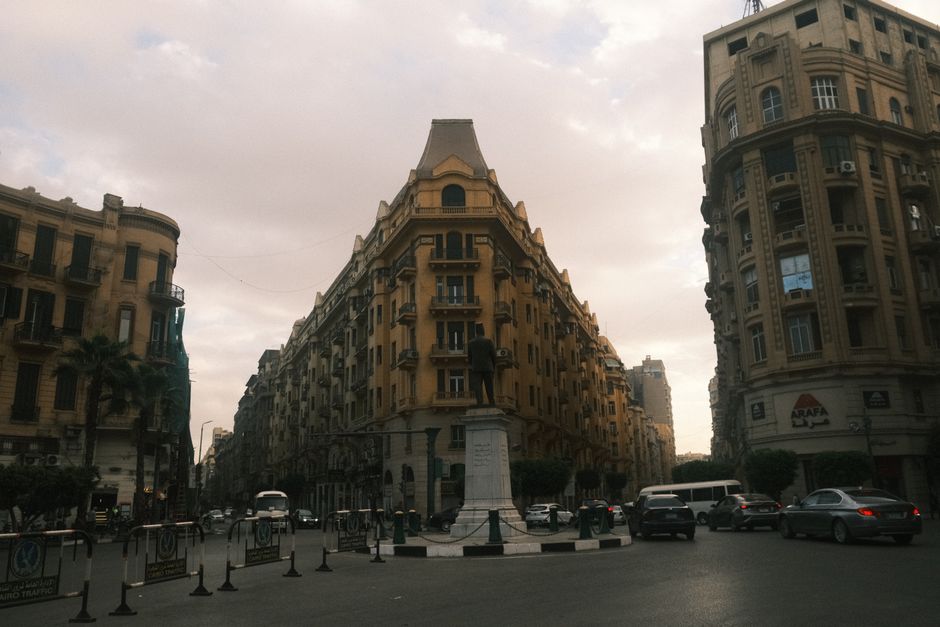
Use the table as a starting point, not as a promise. January weather shifts from year to year, and market hours can change for public holidays, religious events, or local repairs. The clear winner for a low-stress first night is the city where your arrival district sits close to both food and transit.
| City | Typical January pattern | Useful market window | Best first-evening approach |
|---|---|---|---|
| Marrakech | Cool nights, mild days; roughly 6–19°C | 16:00–20:00 | Walk from the medina lodging to one central market area |
| Cape Town | Dry summer; roughly 17–27°C | 10:00–18:00 | Use MyCiTi or a trusted ride to a nearby food district |
| Accra | Hot, dry, and sometimes hazy; roughly 25–31°C | 08:00–17:00 | Keep the first route short and allow for traffic |
| Nairobi | Mild and often dry; roughly 13–25°C | 09:00–16:00 | Choose a market near your lodging rather than crossing town |
| Cairo | Cool evenings and mild days; roughly 10–19°C | 10:00–18:00 | Visit one central district before the evening chill |
Pick the city with the easiest first transfer
For a first trip, Cape Town and Marrakech offer the cleanest arrival logic because major visitor areas have clear landmarks and a manageable first route. Nairobi and Accra can be rewarding, but traffic can turn a short airport transfer into a long one. Cairo has strong rail and metro coverage in selected areas, yet street crossings, crowds, and distances demand more attention.
Do not confuse a famous market with a good first stop
A market may be excellent and still be a poor arrival choice. If it takes two transfers, requires a long walk with luggage, or closes before you reach it, save it for day two. The better first-evening market is the one you can leave easily. That matters more than its reputation.
How to plan a first evening in Marrakech
Marrakech is the best choice for travelers who want a market-centered first night with little transport planning. Stay near the medina only if you are comfortable with narrow lanes, uneven paving, and a short walk from the vehicle drop-off point. Stay in Gueliz if you want wider streets, modern restaurants, and simpler taxi access.
Use the late afternoon for the medina
Arrive at your lodging, leave your main bags, and give yourself 30 minutes to reset. Aim to enter the souk area before sunset, when the light is still useful and shops are active. Jemaa el-Fnaa is the obvious anchor, but it is better treated as a meeting point than as a complete itinerary. Walk one or two connected lanes, stop for mint tea or a small meal, and keep your route visible on Google Maps before the phone signal becomes unreliable inside dense streets.
Know the mistakes that make the evening harder
Do not accept an unsolicited guide who starts walking before agreeing on a price and route. Do not plan a long cross-city transfer after dark on arrival day. The medina can feel confusing even when you are close to your lodging, so save the hotel name, address, and a nearby landmark offline. Marrakech wins for atmosphere, but only when the plan stays compact. One market zone and one return route beat an ambitious loop through every souk.
Cape Town is the clearest transit-first choice

For a January arrival with limited energy, choose Cape Town. Summer daylight, a readable road network, and the MyCiTi bus system make it easier to build a useful first evening without rushing. The best plan is a nearby district, not a cross-city checklist.
Build the route around MyCiTi or one direct ride
MyCiTi is useful for airport and central routes, but check the current operating map and card rules before leaving the terminal. Google Maps can help with route orientation, while Uber offers a practical backup when the bus timing does not fit your arrival. Choose one destination such as the V&A Waterfront, the City Bowl, or a nearby neighborhood restaurant. Keep the first trip direct, especially if you arrive with checked luggage.
Use the long evening without overloading it
Cape Town’s January daylight can tempt visitors into adding Table Mountain, a market, dinner, and the waterfront on the same night. That is a poor trade. Pick the market or food stop closest to your lodging, then use the extra daylight for a short walk. The city is the strongest option here for travelers who want transit flexibility, but its geography punishes unnecessary zigzags. Save distant beaches and mountain viewpoints for a full day.
Accra and Nairobi reward shorter first routes
Accra is the better pick for warm evening food; Nairobi is the better pick for a cooler, more structured start. Both cities can deliver a strong first night, but neither rewards a tight schedule built around several distant stops.
Accra: protect time from traffic
In Accra, choose Osu, Labone, or another district close to your lodging for the first evening. Airport traffic and road congestion can change the timing of a short trip, so leave a generous buffer. Yango, Uber, and Bolt are commonly used ride options, but compare the vehicle plate and driver details before entering. Eat early if you are tired, then take a short neighborhood walk. Makola Market is better as a daytime visit when you can focus on the stalls instead of watching the clock.
Nairobi: match the market to the day
Nairobi’s Maasai Market changes location across the week, so do not build your arrival night around it without checking the current schedule. Moovit and Google Maps can help with orientation, but a direct ride is usually easier after a flight. Westlands and Kilimani offer many first-night dining choices, while the city center may feel more demanding after dark. Nairobi’s clear winner is a simple plan: lodging, one nearby meal, and a market visit on the following morning or afternoon.
What can go wrong on the first evening?
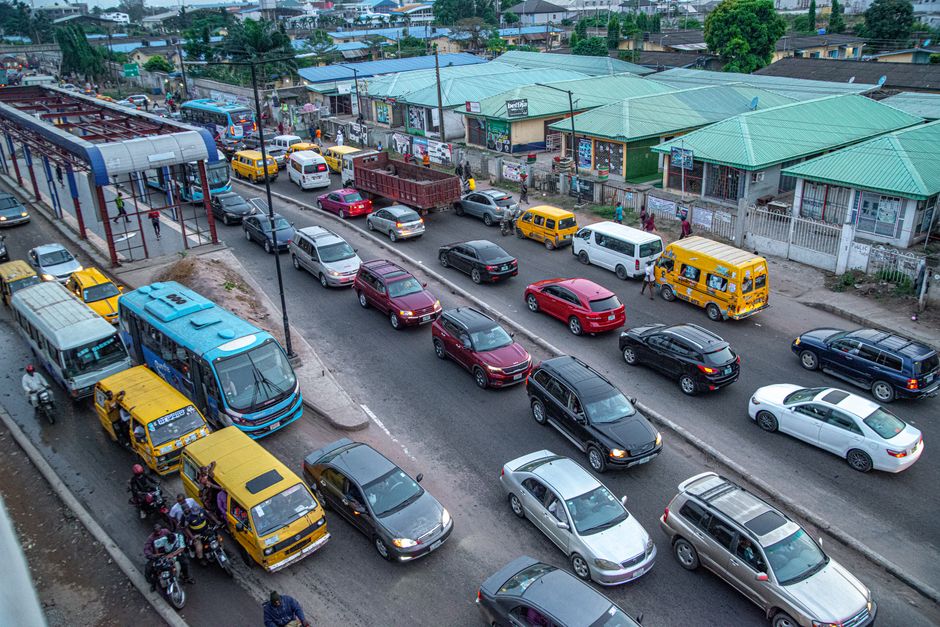
The most common mistake is treating arrival day like a normal sightseeing day. Your body, luggage, phone battery, and sense of direction are all less reliable after a long flight. A good plan leaves room for delays.
Use this four-step arrival sequence
- Confirm the airport transfer, lodging address, and payment method before leaving the terminal.
- Check in, charge your phone, drink water, and keep only the cash and cards needed for the evening.
- Choose one market or food district within a direct route of your lodging.
- Set a return time before leaving, especially if the neighborhood becomes quieter after sunset.
This sequence works in all five cities because it protects the basics first. It also gives you a clear exit if the market is closed, traffic stalls, or the weather turns.
When should you skip the market?
Skip it when your flight lands after dark, your transfer has already taken two hours, or you are staying far outside the central districts. A nearby restaurant and an early night are not wasted travel time. They protect the next morning, when markets are easier to read and public transit is easier to test. The January arrival that began with different daylight across Africa now has the same practical answer everywhere: choose one manageable route, enjoy one local setting, and leave enough energy to see the city clearly tomorrow.