You leave your hotel in Buenos Aires at 10:30 a.m., walk six blocks to the first café, and feel fine. Forty minutes later, the pavement throws heat back at your ankles, your shirt is wet, and the museum you wanted to see still sits 25 minutes away. That is the usual February mistake: planning a city walk by distance instead of by heat, shade, and opening hours.
I have had better days by treating each city like a grid with a safe direction. Walk the exposed avenues early, use shaded streets after breakfast, stop indoors through the worst heat, and save waterfronts or plazas for late afternoon. The exact order changes by city, but the rule stays firm: build February walking routes around the heat window, not around a map app’s shortest path.
Which South American City Grid Works Best in February?
February is summer across South America, but the walking experience changes sharply from one city to the next. Buenos Aires can feel hot and humid, while Lima often gives you a cooler, gray coastal day with almost no rain. Santiago has dry heat and strong sun, and Rio adds steep streets, humidity, and sudden showers. The table below gives you a practical starting order rather than a generic list of attractions.
| City | Typical February walking issue | Best walking order | Hard stop for exposed streets |
|---|---|---|---|
| Buenos Aires | Humidity and hot pavement | Recoleta or San Telmo early, museums at midday, Palermo late | 11:30 a.m. to 4 p.m. |
| Santiago | Dry sun and limited shade | Historic center early, indoor lunch, Bellavista or Lastarria after 5 p.m. | 12 p.m. to 4:30 p.m. |
| Montevideo | Bright sun and long waterfront exposure | Ciudad Vieja early, Mercado del Puerto at lunch, Rambla near sunset | 11 a.m. to 4 p.m. |
| Lima | Long distances and weak visual clues for heat | Historic center early, indoor meal, Miraflores or Barranco late | 12 p.m. to 3 p.m. |
| Rio de Janeiro | Humidity, hills, and fast weather changes | Flat neighborhood early, indoor break, beach or viewpoint near sunset | 10:30 a.m. to 4 p.m. |
My clear winner for an easy February walking day is Lima. Its coastal climate usually makes a two-hour morning route more forgiving, and Miraflores and Barranco offer short blocks between cafés, parks, and indoor stops. My hardest pick is Rio for travelers who insist on covering several neighborhoods on foot in one day. The city rewards short local loops, not heroic cross-town walks.
Why the Best Walking Order Starts Before Breakfast
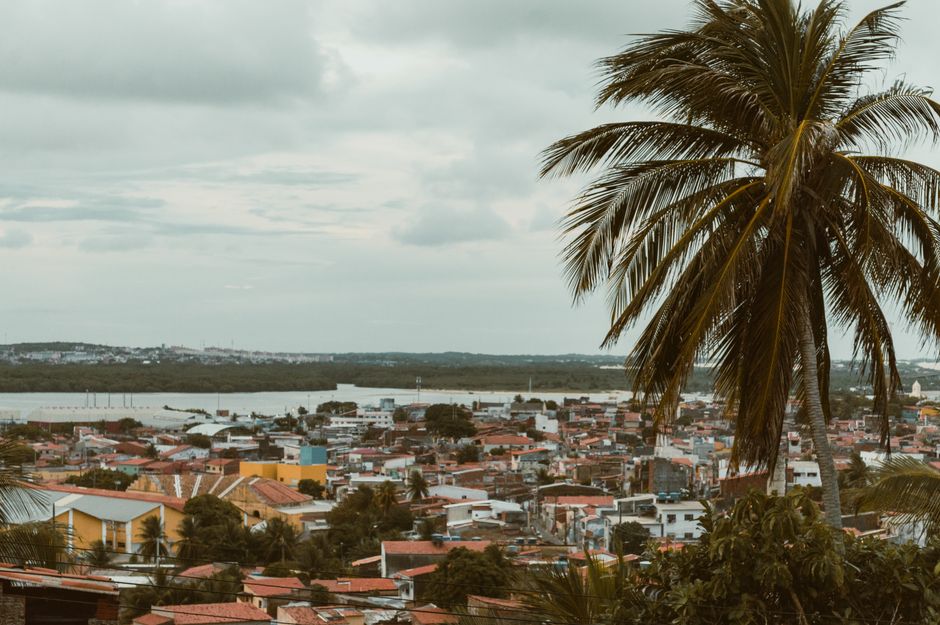
Start at 8 a.m., finish your longest exposed stretch by 11 a.m., and treat 1 p.m. as an indoor appointment; that single change makes February city walking far more comfortable than buying more gear or trying to walk faster. A morning route also gives you quieter streets, shorter café queues, fresher markets, and enough energy to handle a hill or a wrong turn without turning the day into a rescue mission. Put the most open space first, including plazas, waterfronts, broad avenues, and viewpoints, because these places offer the least shade and the fewest escape options once the sun rises. Then move into museums, churches, covered markets, lunch rooms, or a hotel break during the hot middle of the day, before taking a short neighborhood loop after 5 p.m. I would choose three compact routes of 2 to 4 kilometers over one ambitious 12-kilometer line, because the shorter plan gives you room for water refills, transport, weather changes, and an unplanned shaded stop.
What to Carry for a February City-Walking Day
Gear cannot fix a bad itinerary, but the right small kit prevents minor heat problems from ending the day. I keep the load light and spend money on airflow, water, and navigation rather than heavy travel gadgets.
Choose a shirt that dries before lunch
I prefer the Columbia on bright, dry days in Santiago because covering the arms beats repeatedly applying sunscreen to hot skin. Do not buy a thick “travel” shirt just because it has hidden pockets; a heavy fabric that stays wet creates more discomfort than it solves.
Carry enough water without carrying your whole suitcase
It is bulky, but the capacity matters on long routes with limited shade. My verdict is the Nalgene for all-day walking and the Hydro Flask for compact neighborhood routes. Pack an oral rehydration sachet if you sweat heavily, but do not treat sports drinks as a substitute for regular water.
Keep navigation simple and your bag small
The better purchase for most travelers is a small power bank and a comfortable daypack. Leave the expensive watch at home unless your trip includes hikes beyond the city grid.
Five Heat Mistakes That Ruin City Routes
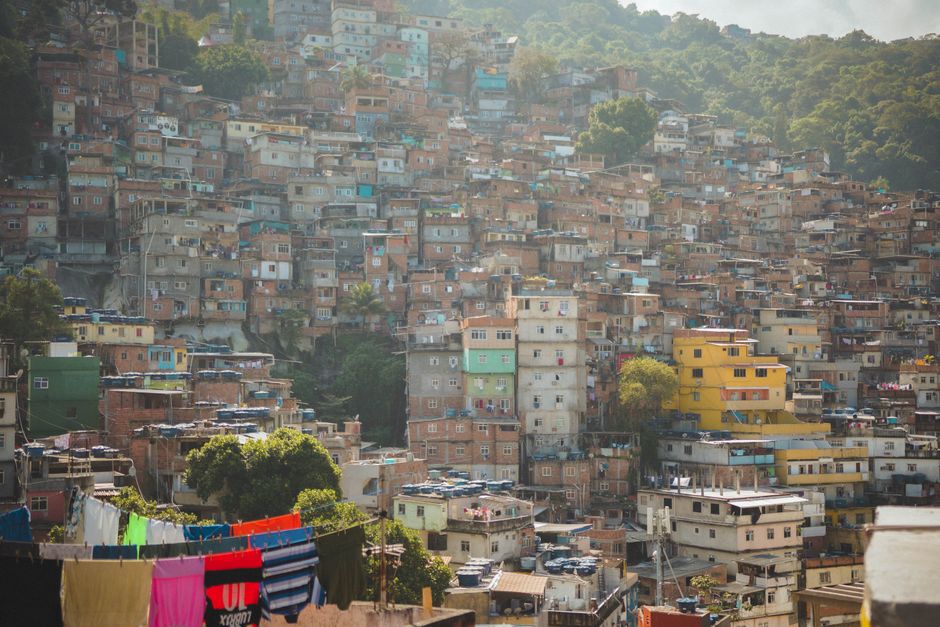
Most uncomfortable walking days do not fail because the traveler lacked fitness. They fail because the route ignores how a real city works in summer.
- Mistake one: crossing the city at noon. A route from Recoleta to La Boca, or from Miraflores to central Lima, may look reasonable on a map, but the distance includes traffic lights, wide roads, exposed sidewalks, and fewer places to stop. Use a taxi, metro, or bus between districts and walk inside each district.
- Mistake two: trusting the temperature alone. A forecast of 28°C can feel much worse beside concrete, with no wind and high humidity. Check the hourly forecast, then look at shade and pavement. Broad avenues should come first, not last.
- Mistake three: saving the viewpoint for midday. Cerro San Cristóbal in Santiago, Sugarloaf approaches in Rio, and open coastal overlooks can feel punishing under direct sun. Go early or close to sunset, and leave a transport option for the return.
- Mistake four: wearing new shoes for the first long route. February heat increases swelling and friction. Wear tested shoes for the first two days, keep the route under 5 kilometers, and add distance only after your feet prove they can handle it.
- Mistake five: treating shade as a permanent feature. A tree-lined street may offer shade at 9 a.m. and full sun at 2 p.m. Mark indoor stops on your map before leaving, especially in Montevideo and Rio, where long open stretches can appear between attractive neighborhoods.
The strongest fix is to create a backup route that starts within five minutes of a café, museum, hotel, or transit stop. That is not wasted planning. It is what keeps a hot day flexible.
South America February Walking Routes: Practical Questions
Is February a bad month for walking in South America?
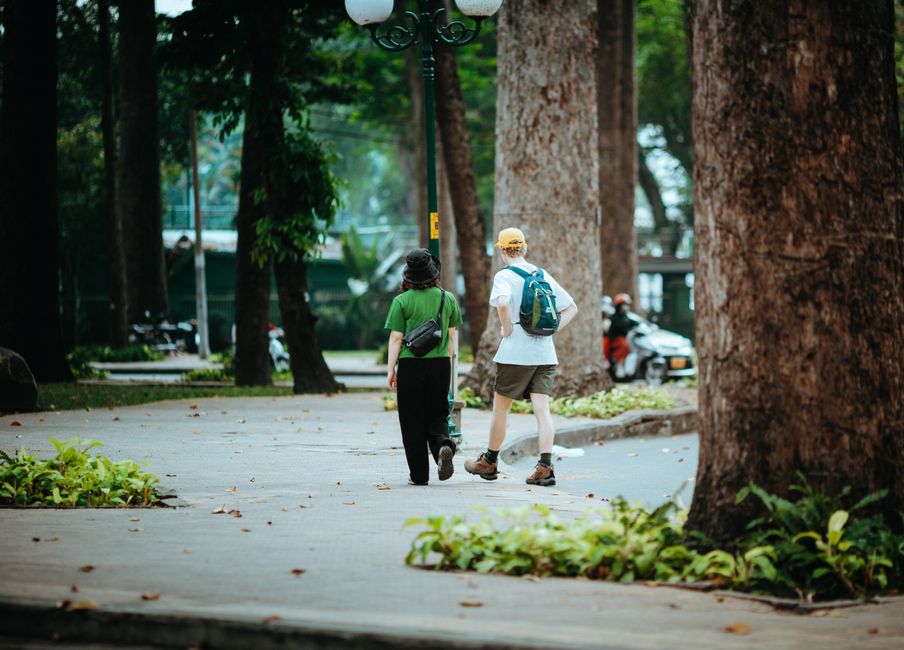
No, but it is a bad month for copying a spring or autumn itinerary. February works well when the route has an early outdoor block, a real indoor break, and a second short walk after 5 p.m. Lima is often the easiest major city for steady walking conditions. Rio can be excellent when you stay local and accept that humidity will slow you down.
How many kilometers should I plan per day?
Plan 6 to 10 kilometers of total city movement, but split it into two or three loops. A morning route of 3 to 4 kilometers, indoor time, and an evening route of 2 to 4 kilometers is more realistic than one continuous 10-kilometer walk. Add transport between neighborhoods instead of forcing every connection on foot.
Which city deserves the most careful route planning?
Rio deserves the strictest plan because hills, humidity, traffic, and sudden rain can change the effort of a short distance. Santiago comes next because dry sun can hide how quickly you are losing fluid. In both cities, save viewpoints and broad outdoor spaces for early morning or late afternoon. The best February itinerary is not the one with the most pins; it is the one that leaves you enough energy to enjoy the final stop.