I remember standing in the middle of a bustling market in Marrakesh, clutching a crumpled map and feeling a very specific type of exhaustion. It wasn’t just the heat or the haggling. It was the weight of having made every single decision for the previous ten days. Where to eat, which train to catch, how to say ‘no thank you’ in Arabic, and whether that riad I booked actually had hot water. I loved the independence, but I was hitting a wall. That was the first time I looked at a passing group of travelers, led by a local guide who seemed to have everything under control, and thought, ‘Maybe I should try that next time.’
Since then, I’ve spent a decade alternating between completely solo backpacking and joining organized solo travel tours. There is a massive misconception that group tours are just for people who are afraid to travel alone or for retirees on big buses. The reality is much more nuanced. Modern group travel for solos is about offloading the logistics so you can actually enjoy the destination, rather than spending four hours of your day staring at Google Maps and TripAdvisor reviews. If you’re currently staring at a dozen browser tabs trying to plan a trip to Peru or Vietnam, here is what I’ve learned about the landscape of group tours for the solo crowd.
How to Choose the Right Solo Travel Tour Company
The biggest mistake I see people make is choosing a tour based solely on the destination and the price. You have to look at the ‘vibe’ of the company, or you’ll end up as the only 35-year-old on a bus full of 19-year-olds looking for the nearest pub crawl, or conversely, the only person under 60 on a slow-paced historical tour. When I’m looking at a new operator, the first thing I check is the average age and the physical rating. If a tour is rated ‘Leisurely,’ expect a lot of time on a bus. If it’s ‘Challenging,’ you’ll be hiking, and the group dynamic usually reflects that shared grit.
Another major factor is the single supplement. This is the extra fee companies charge because their prices are based on double occupancy. Some companies are much friendlier to solos than others. For example, many adventure-focused operators will pair you with a same-sex roommate for free, only charging you extra if you specifically demand your own room. I’ve stayed in everything from luxury tents in the Wadi Rum desert to basic guesthouses in rural Thailand this way. It’s a gamble—I’ve had roommates who became lifelong friends and one who snored like a freight train—but it saves you thousands of dollars over a lifetime of travel.
Understanding Group Sizes and Pace
Group size changes everything. I’ve been on tours with 25 people and tours with eight. In a group of 25, you can disappear. You don’t have to talk to everyone, and there’s usually a subset of people you’ll naturally gravitate toward. In a group of eight, you are a family. This is great if everyone gets along, but if there is one ‘difficult’ personality, it’s much harder to escape. I generally find that a cap of 12 to 15 people is the sweet spot for solo travel tours. It’s small enough to eat at local restaurants that don’t take large bookings, but large enough to provide social variety. Furthermore, smaller groups allow for more flexible transport, often using private minivans rather than massive 50-seater coaches, which can access narrower streets and more remote villages.
Comparison of Top Solo-Friendly Tour Operators

Not all tour companies are created equal. After years of testing different brands, I’ve narrowed it down to a few that consistently deliver. The following table breaks down the three biggest players I’ve personally used and how they stack up for a solo traveler.
| Company | Target Demographic | Avg. Price (7-10 Days) | Solo Policy |
|---|---|---|---|
| G Adventures | 18-35s or All Ages (Classic) | $1,200 – $2,200 | Free roommate matching; optional private room. |
| Intrepid Travel | Conscious travelers, all ages | $1,100 – $2,500 | Free roommate matching; no forced single supplement. |
| Flash Pack | Solo travelers in their 30s & 40s | $3,000 – $5,500 | Includes high-end solo or shared lodging options. |
G Adventures is my go-to for balance. Their ‘Classic’ tours are solid, but their ‘Roamies’ line (a partnership with Hostelworld) is fantastic if you’re on a budget and don’t mind staying in high-end hostels. For instance, their 9-day “Peru: Ancient Cities and the Andes” trip usually costs around $1,649.
Pro: Excellent local guides (they call them CEOs). They have a “Lifetime Deposit” policy, meaning if you cancel, your deposit stays valid for any future trip.
Con: Transport can sometimes be local buses or trains, which might be too ‘authentic’ for some people’s comfort levels. Some “Basix” itineraries don’t include many meals.
Intrepid Travel is very similar to G but often feels a bit more focused on sustainability and ‘off-the-beaten-path’ experiences. They have a ‘Basix’ range which is essentially just transport and a bed, and a ‘Comfort’ range which includes nicer hotels and more included meals. A typical 10-day “Vietnam Express Southbound” tour starts at approximately $1,250.
Pro: B-Corp certified, very ethical approach. They offer “18-29s” specific tours to ensure age-appropriate social groups.
Con: The ‘Basix’ tours can sometimes feel a bit sparse on included activities, leading to more out-of-pocket spending during the trip.
Flash Pack is the relatively new kid on the block, specifically targeting people in their 30s and 40s who have more money than time. They don’t allow couples or kids. It is 100% solo travelers. Their 11-day “Bali: The Ultimate Adventure” trip can run upwards of $4,200.
Pro: Incredible boutique hotels and unique ‘money-can’t-buy’ experiences like private villa dinners. High ratio of solo-to-solo interaction.
Con: Very expensive. You are paying a premium for the curated social group and higher-end logistics.
The Logistics of the Single Supplement and Room Sharing
Let’s talk about the ‘Solo Tax.’ It’s the bane of our existence. When you book a solo travel tour, you usually see a price that looks great, only to find out it’s based on sharing a room. If you want your own space, you might have to pay an extra 30% to 70% of the trip cost. This is where your choice of company matters most. I used to be strictly ‘private room only’ because I value my sleep, but I’ve softened on this lately.
If you choose to share, companies like Exodus Travels or Intrepid will pair you with another solo traveler of the same gender. Most of the time, this works out fine. You’re rarely in the room anyway except to sleep. However, if you are a light sleeper or have a very specific nighttime routine, the single supplement is the best money you will ever spend. I’ve learned the hard way that saving $400 isn’t worth being miserable for two weeks because your roommate stays up until 2 AM scrolling TikTok with the sound on.
When to Pay for the Private Room
- Longer Trips: On a 5-day trip, you can handle a roommate. On a 21-day trek across Patagonia, you will eventually want a door you can lock.
- High-Intensity Itineraries: If you’re waking up at 5 AM every day for sunrise tours, you need quality sleep.
- Developing Countries: Sometimes, having your own bathroom is a non-negotiable for hygiene and comfort.
- Personal Recharge Needs: If you are an introvert who “performs” socially during the day, you will need the private room to decompress at night.
The Safety Dividend: Why Solos Choose the Bubble

One of the most overlooked benefits of solo travel tours is the “Safety Dividend.” For many, especially women or first-time travelers to regions with complex social customs, the tour provides a protective bubble. You aren’t just paying for a guide; you’re paying for a risk manager. If a local strike shuts down the trains in India, the tour leader reroutes the group via private van. If you get food poisoning in Mexico, the guide knows which clinic is reputable and can translate your symptoms to the doctor.
This safety net allows you to be more adventurous than you might be on your own. I’ve found myself wandering through remote villages in the Atlas Mountains or exploring night markets in Bangkok with a level of confidence that I simply wouldn’t have had if I were navigating those spaces alone. The presence of a local expert who understands the nuances of the “tourist price” versus the “real price” also saves you from the constant mental drain of being a target for scams.
Managing Social Expectations on Group Tours
The biggest fear people have about joining a solo travel tour is that they’ll be ‘stuck’ with people they don’t like. Or worse, that they’ll be the awkward one out. In my experience, the ‘awkward one out’ almost never happens because everyone is in the same boat. On a typical solo-focused tour, at least 70% of the group has arrived alone. You are all starting from zero.
The social dynamic usually follows a predictable curve. The first night dinner is a bit stiff—lots of talk about jobs, where you’re from, and how long your flight was. By day three, you’ve usually survived a long bus ride or a confusing local market together, and the ‘real’ friendships start. By day seven, you’re sharing snacks and telling your life stories. The key is to be ‘socially available’ but also to set boundaries. Just because it’s a group tour doesn’t mean you have to do everything with the group. If there’s a free afternoon and you want to go sit in a cafe alone and read, do it. A good guide will actually encourage this.
The best travelers are those who know when to lean into the group energy and when to step back for some solitary reflection. Forced fun is the enemy of a good trip.
Tips for Navigating Group Dynamics
- Be the first to say hello. Everyone is nervous. Being the person who initiates conversation on the airport transfer makes you the hero of the group.
- Don’t be the ‘complainer.’ Group travel involves delays, bad weather, and mediocre meals occasionally. If you’re the person constantly pointing out the negatives, people will start to avoid you.
- Bring a portable charger and a deck of cards. These are the two greatest social tools ever invented for long train rides or flight delays.
- Use the pre-trip group chat wisely. Many companies now offer a WhatsApp group or forum before the trip starts. Use it to introduce yourself, but don’t overshare before you meet in person.
Common Mistakes: Don’t Let These Ruin Your Trip
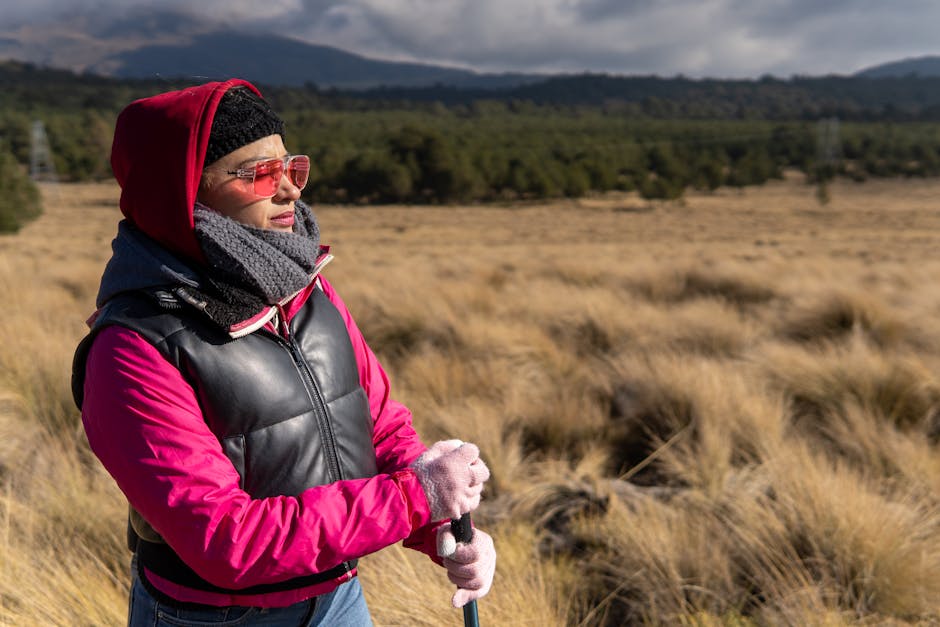
Even with a professional tour operator, things can go sideways if you haven’t done your homework. The most common mistake is ignoring the physicality rating of a tour. I once saw a traveler join a “moderate” trek through the Sapa valley in Vietnam who didn’t realize that “moderate” meant six hours of hiking on muddy inclines. They were miserable, and it slowed the whole group down. Always read the detailed itinerary, not just the highlights.
Another mistake is failing to check the “Inclusions” list. Some tours look incredibly cheap because they include zero meals and zero entrance fees. By the time you pay for your own lunches, dinners, and museum tickets, you might end up spending more than you would have on a more “expensive” all-inclusive tour. Look for the “Kitty” or “Local Payment” requirements as well; some older tour models require you to hand over a few hundred dollars in cash to the guide on day one for local expenses.
Is an Organized Tour Actually Worth the Money?
This is the question I get asked most often. If I can book the same hotels on Booking.com and the same flights on Skyscanner for 30% less, why would I pay a tour company? It comes down to the ‘invisible’ value. When I traveled solo through India, I spent half my time arguing with rickshaw drivers and trying to find train tickets that weren’t sold out. When I went back on a group tour, all of that vanished. I just showed up at the lobby, and a private van was waiting. The guide had already handled the tickets. That mental space is worth a lot.
Furthermore, these companies often have access to experiences you simply cannot book as an individual. I’ve had dinner in a local family’s home in rural Rajasthan and visited a hidden weaving cooperative in the Andes that wasn’t on any map. These companies have spent decades building local relationships. You aren’t just paying for the bed; you’re paying for the ‘fixer’ who makes the impossible parts of travel feel effortless. For a solo traveler, that safety net is particularly valuable. If you get sick or lose your passport, you have a professional whose entire job is to help you solve that problem.
The Bottom Line on Value
If you have more time than money, and you enjoy the ‘puzzle’ of travel logistics, keep going solo. It’s rewarding and builds incredible character. But if you have a limited vacation window and you want to maximize your time in a complex destination—think Morocco, India, Egypt, or the Galápagos—a solo travel tour is almost always the better choice. You’ll see more, stress less, and likely come home with a WhatsApp group chat full of new friends from around the world. Just do your homework on the age range and the single supplement policy before you hit ‘book.’